

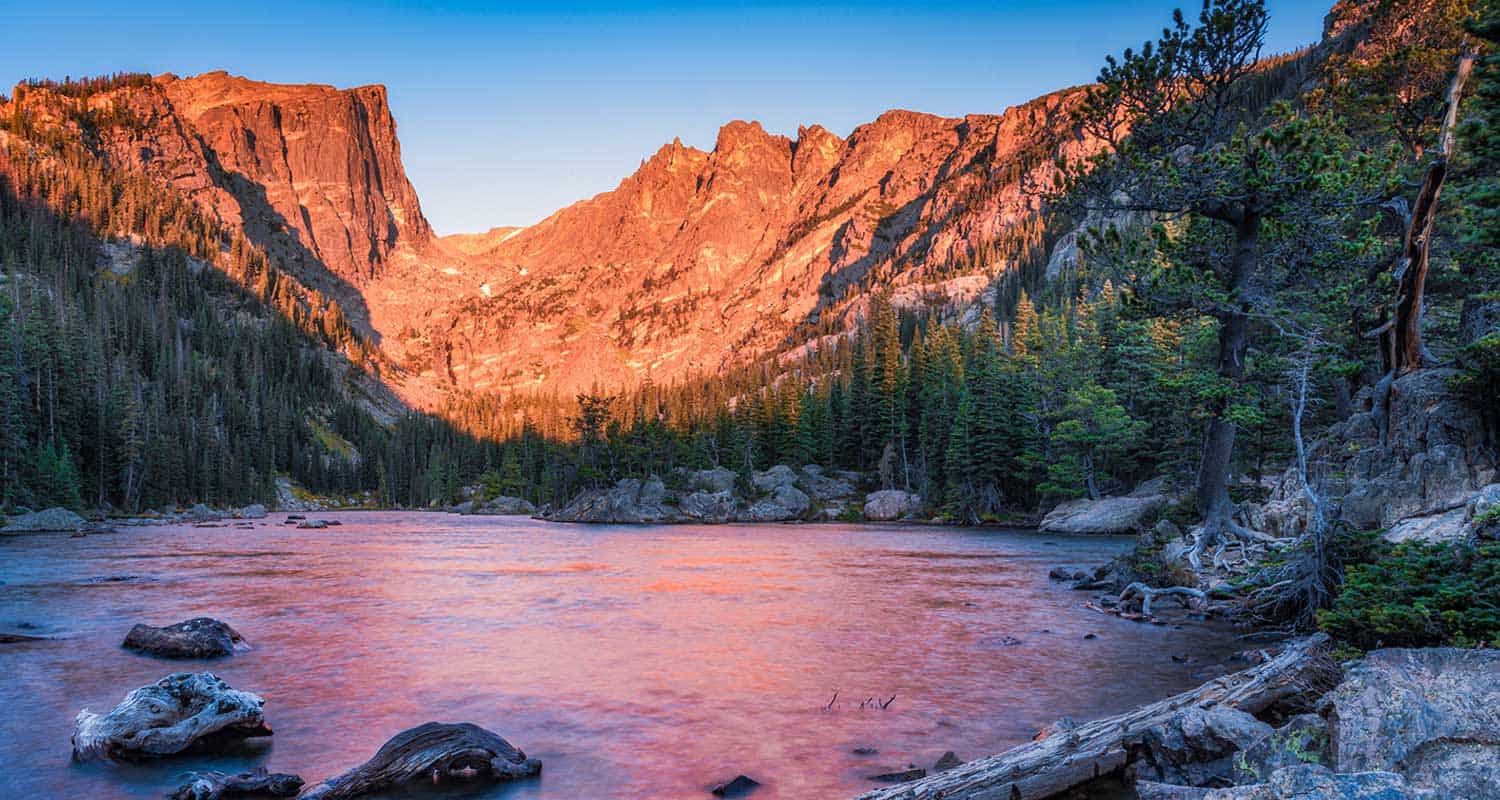
Dream Lake in Rocky Mountain National Park
The hike to Dream Lake is one of the popular destination hikes in Rocky Mountain National Park--and for good reason. In the early morning hours, Dream Lake is a vision straight out of a fairy tale. This 2.2-mile, out-and-back hike begins at the Bear Lake trailhead and passes Nymph Lake along the way. Explore the full Dream Lake hike profile below for trail map, driving directions, and all the details you need to enjoy this Colorado adventure.
Note: Rocky Mountain National Park now requires timed entry permits from May 27th through October 10th. See the RMNP permits page for more information.
Trail Snapshot: Dream Lake in Rocky Mountain National Park
| Hike Distance | 2.2 mile Round Trip |
|---|---|
| Difficulty | Easy |
| Duration | Approx 1.5hr Round Trip |
| Trail Type | Out and Back |
| Starting Elevation | 9475' at Trailhead |
| Elevation Gain | Approx. +425' |
| Seasons | Spring through Fall, Winter Snowshoeing |
| Dogs | Prohibited in RMNP |
| Hike Trail Map | Click for a Map of Dream Lake in RMNP |
| Denver Drive Time | 2 hr |
| Driving Directions to Bear Lake Trailhead | Click for Google Map |
| Town Nearest Hike | Estes Park, Colorado |
| Beauty | Sub-alpine lakes, mountain views, wildlife: Abert's squirrel, elk, bear |
| Activities | Picnicking, hiking trails, photography, snowshoeing |
| Conditions at Bear Lake Trailhead | Click Here |
| Fee | Park Pass Required |
Parking & Trailhead Information for Dream Lake:
The trail up to Dream Lake begins at the Bear Lake Trailhead (driving directions).In the event that parking lot at Bear Lake is full, you'll then need to park at the Park & Ride near the Bierstadt Trailhead and take the bus into the trailhead. This service runs 7am to 7PM and more information on the RMNP shuttle bus routes can be found at this link. The trail to Dream Lake is located on your way to Bear Lake, off to the left, just before reaching the shore viewing area of Bear Lake.
The trail to Dream Lake is paved for the first half mile. The path was surfaced to deal with the erosion caused by the heavy foot traffic, and is not considered handicap accessible. After visiting the lily pad-laden Nymph Lake, the trail becomes a dirt path and begins a gentle climb towards Dream Lake. For a short stint the trail becomes more steep and demanding. On the way up, hikers will gain views of a vast landscape featuring the Keyboard of the Winds in Glacier Gorge and Longs Peak looming over everything but the distant sky.
Just before reaching Dream Lake, the trail splits. The trail to the left takes hikers to Lake Haiyaha and the trail to the right leads to Dream Lake. Dream Lake, with the beautiful backdrop of Hallet Peak, is one of the most photographed scenes in Rocky Mountain National Park. At daybreak, light from the east illuminates the stone face and crags of Hallet, and Dream Lake returns the favor by mirroring its image in her waters.
List and Links of Destinations From Bear Lake to Emerald Lake
Tips & Resources for Hiking to Dream Lake:
- Explore More: Adventure beyond Dream Lake is Emerald Lake (+.6 mile from Dream Lake).
- Trail Map for Bear Lake Corridor: Trail Map Link
- Colorado Road Conditions: Colorado Road Conditions
- After the Hike: Poppy's Pizza
- Photo: We would like to express our gratitude to Brendan Bombaci for sharing such an amazing photograph of this hike to Dream Lake.
Weather
Map & Driving Directions
Click for Driving Directions


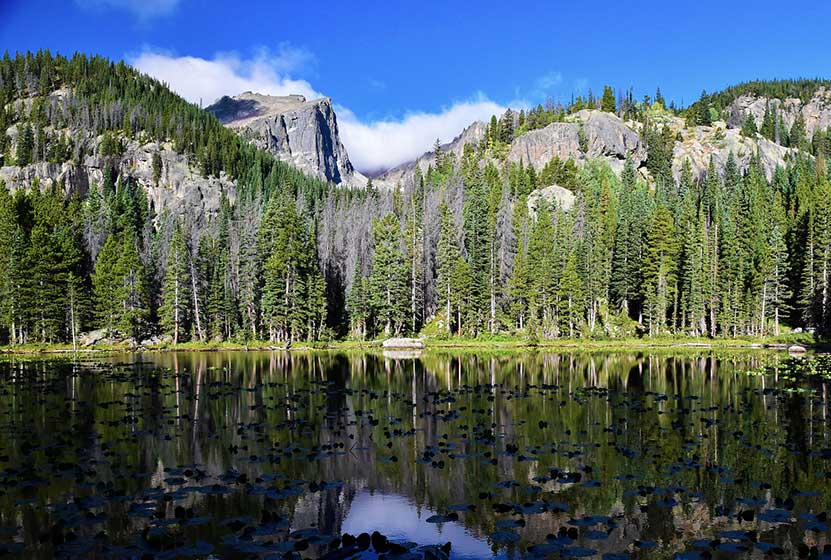
Nymph Lake Hike in Rocky Mountain National Park
In Summer, Nymph Lake in Rocky Mountain National Park blooms with the yellow blossoms of the lily pads that cover its surface. It's a short easy hike from the Bear Lake Trailhead to Nymph lake. Most hikers will want to make the journey beyond Nymph to Dream and Emerald Lakes. Explore the full trail profile below for all the destinations and details: trail map, tips, and driving directions to the trailhead.
Note: Rocky Mountain National Park now requires timed entry permits from May 27th through October 10th. See the RMNP permits page for more information.
Trail Snapshot: Nymph Lake in Rocky Mountain National Park
| Hike Distance | 1 mile Round Trip |
|---|---|
| Difficulty | Easy |
| Duration | Approx 40 min Round Trip |
| Trail Type | Out and Back |
| Starting Elevation | 9475' at Trailhead |
| Elevation Gain | Approx. +225' |
| Seasons | Spring through Fall, Winter Snowshoeing |
| Dogs | Prohibited in RMNP |
| Hike Trail Map | Click for a Map of Nymph Lake RMNP |
| Denver Drive Time | 2 hr |
| Driving Directions to Bear Lake Trailhead | Click for Google Map |
| Town Nearest Hike | Estes Park, Colorado |
| Beauty | Sub-alpine lakes, mountain views, wildlife: Abert's squirrel, ducks, bear |
| Activities | Picnicking, hiking trails, snowshoeing |
| Conditions at Bear Lake Trailhead | Click Here |
| Fee | Park Pass Required |
Parking & Trailhead Information
The trail up to Nymph Lake begins at the Bear Lake Trailhead (driving directions).In the event that parking lot at Bear Lake is full, you'll then need to park at the Park & Ride near the Bierstadt Trailhead and take the bus into the trailhead. This service runs 7am to 7PM and more information on the RMNP shuttle bus routes can be found at this link. The trail to Nymph Lake is located on your way to Bear Lake, off to the left, just before reaching the shore viewing area of Bear Lake.
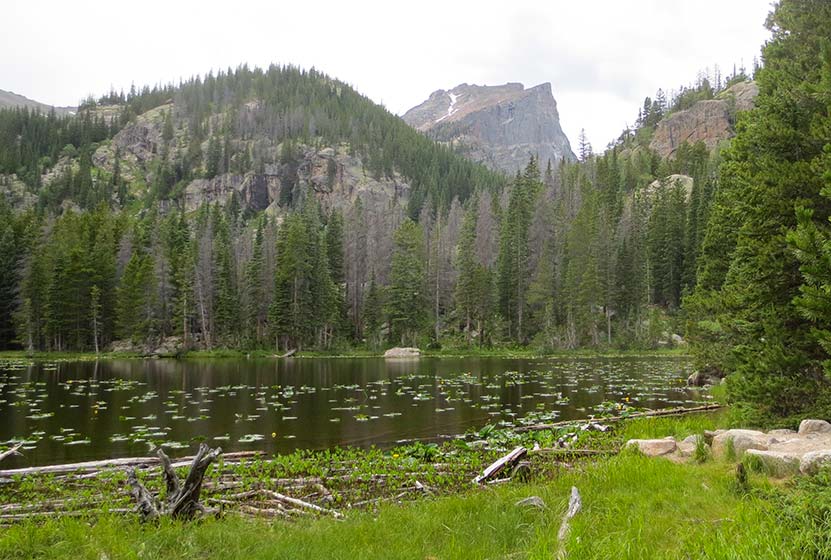
The hike up to Nymph Lake is one of the least demanding--but still rewarding--destinations in Rocky Mountain National Park. Most hikers make the Lake a stopping point on their journey on the longer, 3.6 mile round-trip hike to Emerald Lake. However, Nymph Lake is not without its attractions. In the summer, after the snow and ice have melted, the yellow pond lily fills the lake and bursts with yellow blooms. In the Winter, the Lake, being a smaller body of water (less than 1/5th the size of Dream Lake), freezes over, and Park Rangers will lead snowshoers across it's frozen waters.
The half-mile trail from Bear Lake to Nymph has been improved with asphalt. However it's not exactly wheelchair accessible. The trail was paved in order to absorb the impact of the numerous visitors who hike from Bear Lake to Nymph lake every day. The asphalt ends at Nymph and returns to a dirt trail, meandering through the woods to Dream and Emerald Lakes. At the Lake, hikers can take in some of the iconic scenery of Rocky Mountain National Park. Hallet Peak and Flattop Mountain loom in the distance. Go early in the morning for the most best photography opportunities, and be sure to explore the trail profiles below for the beautiful destinations beyond Nymph Lake.
List and Links of Destinations From Bear Lake to Emerald Lake
1. Bear Lake
2. Nymph Lake - @ .5 miles
3. Dream Lake - @ 1.1 miles
4. Emerald Lake -@ 1.8 miles
Tips & Resources for Hiking to Nymph Lake :
- Explore More: Beyond Nymph lake, you'll find Dream lake (+.6 mile) and Emerald Lake (+.6 mile from Dream Lake).
- Trail Map for Bear Lake Corridor: Trail Map Link
- Conditions at Bear Lake: Click to View Current Conditions
- Colorado Road Conditions: Colorado Road Conditions
- Photo: We would like to express our gratitude to Pete Sheffield for sharing such an amazing photograph of this hike.
- After the Hike: Poppy's Pizza
Weather
Map & Driving Directions
Click for Driving Directions
Sky Pond in Rocky Mountain National Park
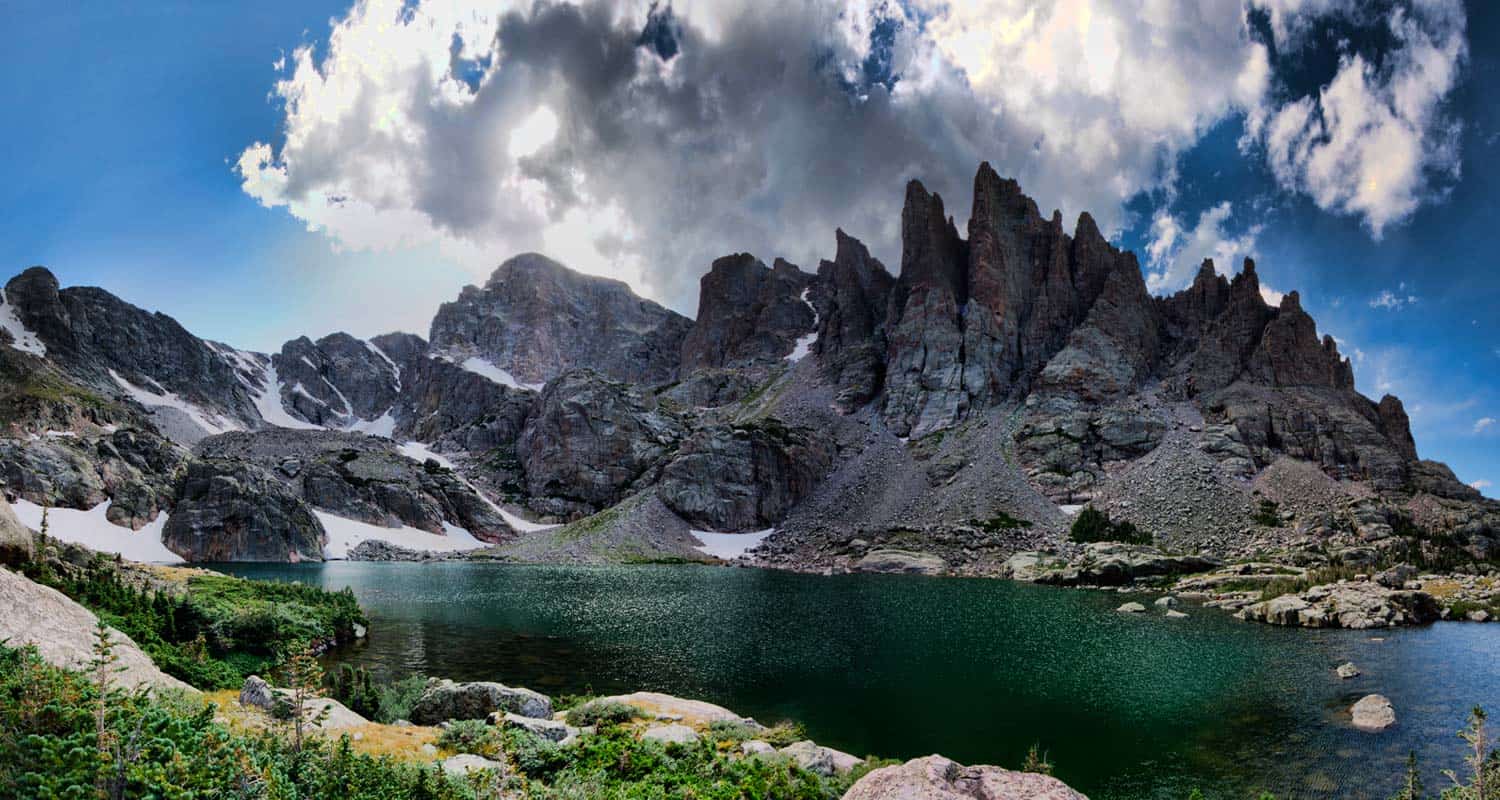
Situated above Timberline Falls in Rocky Mountain National Park are two spectacular lakes. The highest of the two is Sky Pond, and the lower is called The Lake of Glass. This demanding hike begins at the Glacier Gorge trailhead and takes you past at least three waterfalls and a beautiful set of cascades. Rewards await those who hike all the way up to Sky Pond. Explore our Sky Pond trail profile below for trail details, driving directions, maps, and more.
Note: Rocky Mountain National Park now requires timed entry permits from May 27th through October 10th. See the RMNP permits page for more information.
Trail Snapshot: Sky Pond Hike in Rocky Mountain National Park
| Hike Distance | 9+ miles Round Trip |
|---|---|
| Difficulty | Difficult |
| Duration | Approx 5 hr+ Round Trip |
| Trail Type | Out and Back |
| Starting Elevation | 9240' at Trailhead |
| Elevation Gain | Approx +1647′ |
| Seasons | May-September |
| Dogs | Prohibited in RMNP |
| Hike Trail Map | Click for a Map of Sky Pond in Rocky Mountain National Park |
| Denver Drive Time | 2 hr |
| Driving Directions to Glacier Gorge Trailhead | Click for Google Map |
| Town Nearest Hike | Estes Park, Colorado |
| Beauty | Lakes, wildflowers, waterfall, wildlife: elk, deer, birds |
| Activities | Hiking, fishing, photography |
| Fee | Park Pass Required |
Sky Pond Directions & Trailhead Information
The trail up to Sky Pond begins at either the Glacier Gorge Trailhead (see driving directions above), or at the Bear Lake Trailhead (driving directions). Because the Glacier Gorge Trailhead has a much smaller lot, you may need to drive further up to Bear Lake. There you'll find a short connector trail that will put you on the path down and over to the Glacier Gorge Trail system. In the event that parking at Bear Lake is full, you'll then need to park at the Park & Ride near the Bierstadt Trailhead and take the bus into the trailhead. This service runs 7am to 7PM and more information on the RMNP shuttle bus routes can be found at this link.
Hike to Sky Pond and Lake of Glass
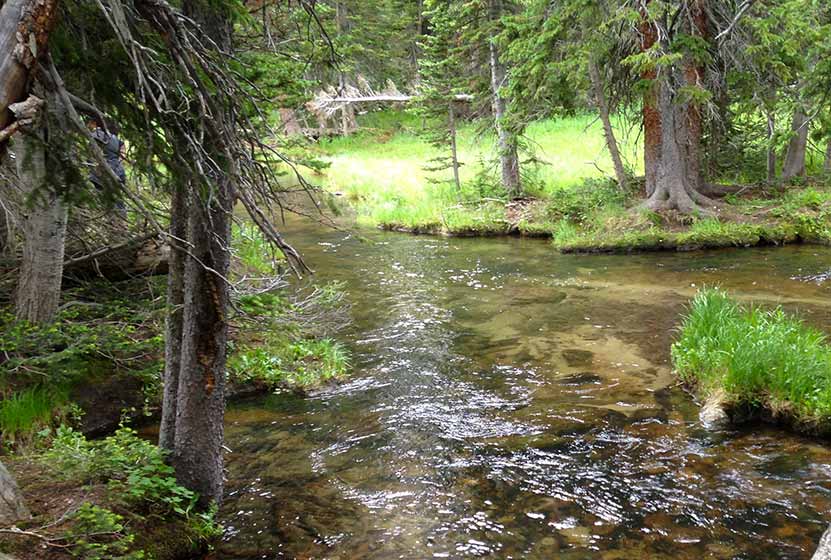
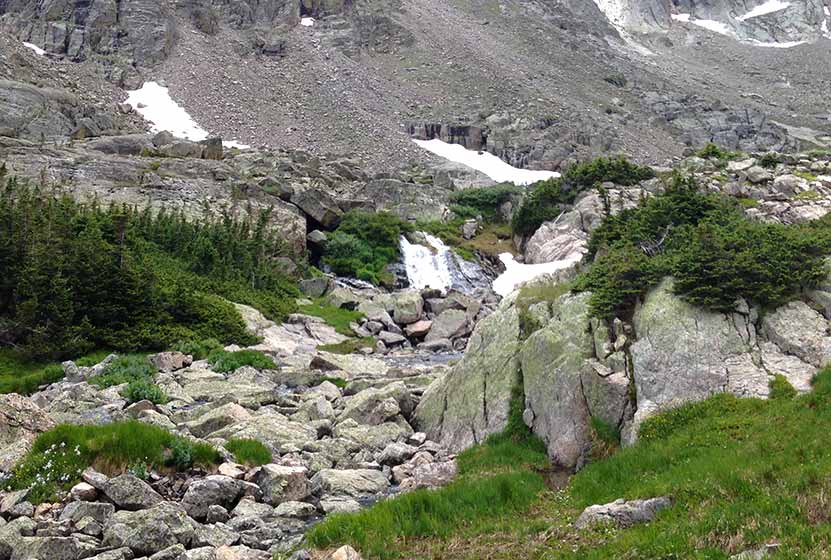
The first destination that you can't and don't want to miss is at .8 miles, Alberta Falls. The trail then climbs toward an eventual trail junction. The way to the Sky Pond is to follow the Glacier Gorge/Loch Vale trail that bears right and ascends for about another .5 mile to the next trail junction. At this second junction, the middle of the three trails leads onto the Loch Vale Trail, and up to the Loch, Timberline Falls, and eventually beyond to Sky Pond. Pictured Above: Creek between the Loch and Timberline Falls.
At Timberline Falls, the trail up to Lake of Glass and Sky Pond is a steep scramble to the right-side of the waterfall. Be aware, the rock may be slick and this area is very steep. Hikers should have good footwear, and may need to be patient for those who are descending this section of the trail. In most of this segment, there is only room for one hiker at a time to safely negotiate the scramble. Many hikers will find the descent of this short portion of the trail more difficult than the way up.
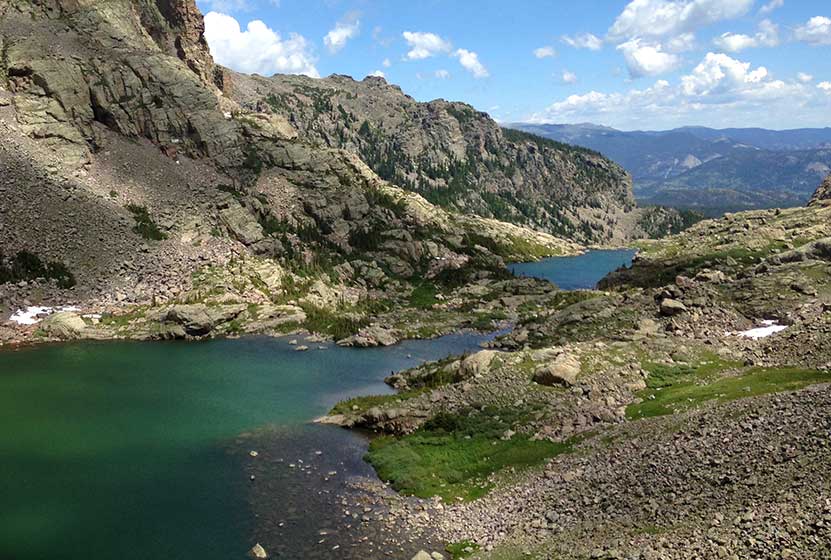
The first lake, Lake of Glass, is only about a quarter-mile beyond Timberline Falls. Many stop here thinking that it's Sky Pond--but it's not. From this vantage point, it's hard to imagine that there is more. However, approximately another quarter-mile will lead to Sky Pond, which is twice the size of Lake of Glass. There is a waterfall hidden just below the Lake of Glass. See our trail profile for this waterfall for details. Pictured below: The Sharks Tooth at Sky Pond.
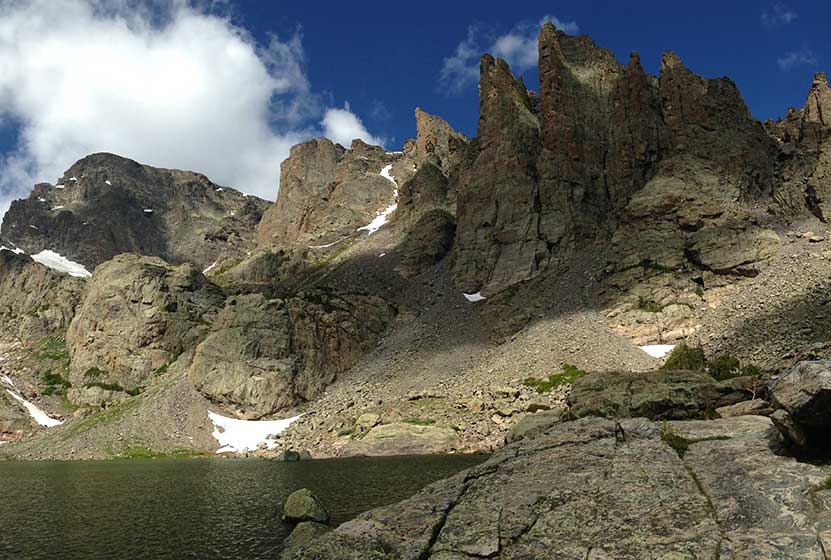
Sky Pond is surrounded by fields of columbines and other wildflowers. A small shelf waterfall spills out of Sky Pond (pictured below), and a marsh between the two lakes is the home to a beautiful collection of marsh marigolds. From the southwestern shores of Sky Pond, there are incredible views of Petit Grepon, the Sabre, and Sharkstooth--three prominent peaks that surround this high mountain lake.
List and Links of Destinations Along the Loch Vale Trail
1. Alberta Falls - @ .8
2. The Loch - @ 2.7 miles
3. Timberline Falls - @ 4 miles
4. Lake of Glass & Waterfall -@ 4.2 miles
5. Sky Pond - @ 4.6 miles
Tips & Resources for Trail to Sky Pond & Lake of Glass in RMNP :
- You Might Miss it: Lots of people stop at Lake of Glass and think they have made it to Sky Pond. It's not much further, but it is hidden because of the elevation difference.
- Get There Early: There are two important reasons to begin your hikes early in the morning in Rocky Mountain National 1)The trail head parking lots fill up early, and 2) in the Summer months, thunderstorms will form in the early afternoon.
- Trail Map for Bear Lake Corridor: Trail Map Link
- Recommended Map for Rocky Mountain National Park: The trail maps provided by Rocky Mountain National Park are usually sufficient. However, if you plan to hike RMNP often, we recommend purchasing a National Geographic Trails Illustrated Map.
- Colorado Road Conditions: Colorado Road Conditions
- Photo: We would like to express our gratitude to Steven Bratman for sharing such an amazing photograph of this hike.
- After the Hike: Inkwell Brew Coffee
Weather
Map & Driving Directions
Click for Driving Directions

Hiking Davis Ponds Hike at Staunton State Park
The Davis Ponds loop is a short and easy hike, perfect for young families. Davis Ponds is a great place to take your kids fishing near Denver. Explore the full trail profile below for all the details: hiking trails, trail map, and detailed directions to the trailhead.
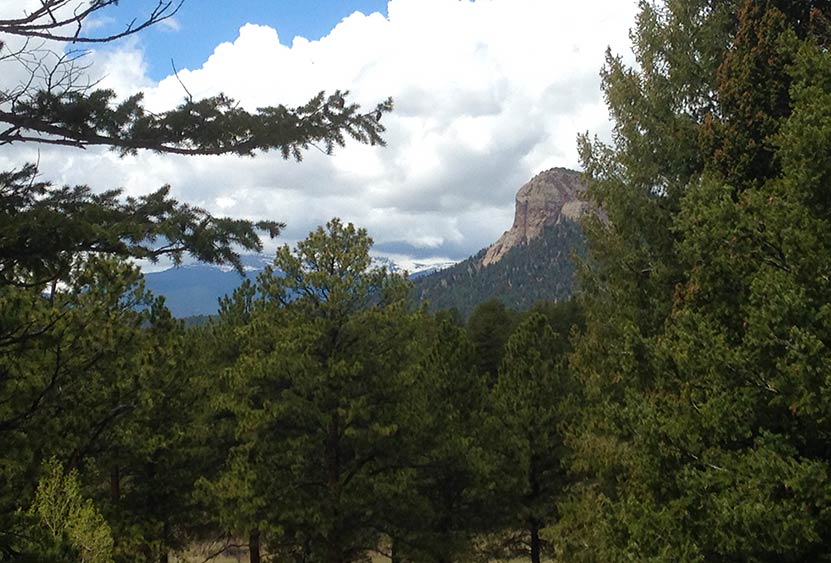
Staunton State Park is one of Colorado's newest gems and located just 45 minutes from downtown Denver. It's a great park for outdoor activities, including hiking, mountain biking, and rock climbing. Staunton has some longer and more demanding trails, but this hike, the Davis Ponds Loop Trail, is a lighter option with some beautiful views to the mountains and the prominent Lions Head outcropping.
Trail Snapshot: Davis Ponds Loop at Staunton State Park
| Hike Distance | 2.15 Miles |
|---|---|
| Difficulty | Easy |
| Duration | Approx 1 hr |
| Trail Type | Loop |
| Starting Elevation | 8200′ |
| Elevation Gain | +80′ |
| Seasons | All Year |
| Dogs | Allowed On Leash |
| Hike Trail Map | Click for a Trail Map |
| Denver Drive Time | 45 min |
| Driving Directions to Staunton State Park | Click for Google Map |
| Town Nearest Hike | Conifer, Colorado |
| Beauty | Meadows, Pine Forest, Ponds, Hummingbirds, and Deer |
| Activities | Hiking, Fishing |
| Fee | Entrance Fee or State Parks Pass Required |
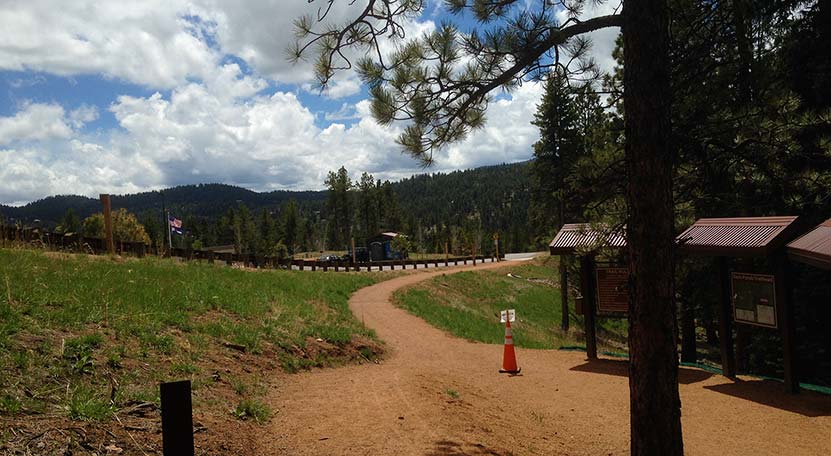
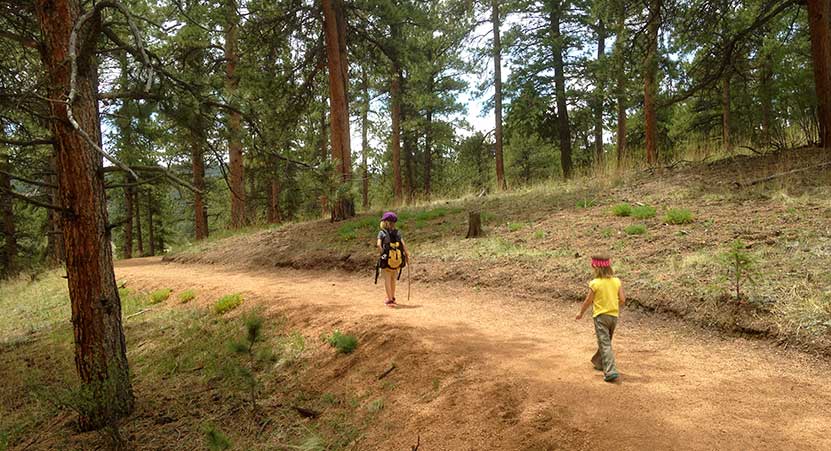
The trail begins just to the north of the initial parking lot (pictured above). We hiked the trail clockwise, taking the trail to the left, but it can be hiked in either direction. The Davis Ponds trail is hiker-only, so you will not encounter any mountain bike or horse traffic, making this perfect for young kids. There is scattered shade as the trail winds in and out of meadows and pine forest. Deer make their way grazing near the trail and hummingbirds buzz by, finding nectar in the wildflowers growing out of the rocky soil.
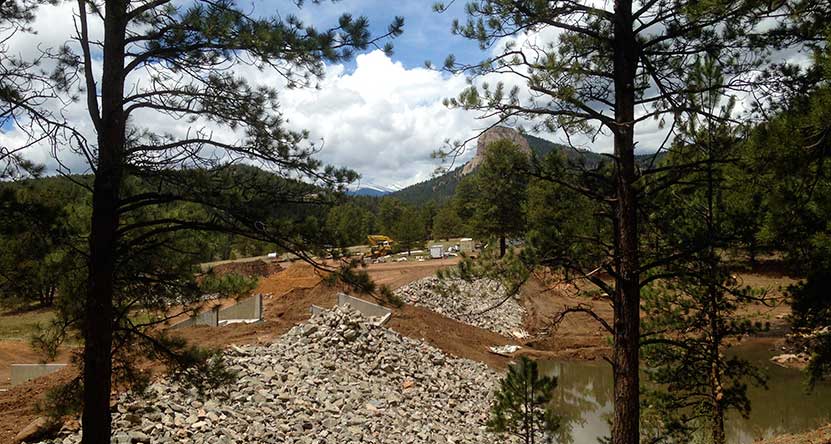
Before the ponds, there is a cut-through trail that can be used to shorten the hike by approximately 1/2 mile, but it's worth going all the way to Davis Ponds and to gain views to the west. The Davis Ponds were under construction and improvements while we were there, but they have now been finished and stocked with rainbow and cutthroat trout. If you are looking for a weekend destination near Denver to fish with your children, this may be one of the best.
On the way back, the trail will merge again with the cut-through trail. The trail back to the trailhead bears left and slightly uphill.
Tips & Resources for Hiking the Davis Ponds Loop :
- TIP: Getting into the park can be slow at times, so be prepared to wait at the entrance on busy weekends.
- Wildlife: You'll find that deer are out grazing in the early morning and closer to twilight.
- Winter: During the Winter, park hours are 8am - 7pm.
- Trail Map for Staunton State Park: Trail Map Link
- Packing List: Always pack the 10 Essentials. Download our Hiking Guide to get list and dayhiking packing checklist.
- Colorado Road Conditions: Colorado Road Conditions
- After the Hike: Crow Hill Cafe in Bailey
Weather
Map & Driving Directions
Click for Driving Directions
Timberline Falls in Rocky Mountain National Park
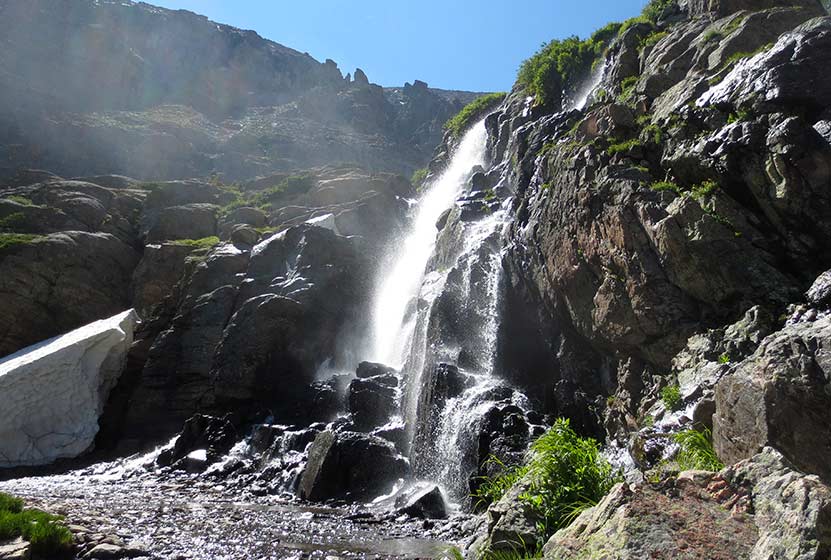
Timberline Falls is a demanding 8-mile round-trip waterfall hike in Rocky Mountain National Park. The trail takes you past Alberta Falls up into beautiful Loch Vale. Beyond Timberline Falls hikers will find Lake of Glass, additional falls, and breathtaking Sky Pond.
Glacier Gorge is the home to some of the best hiking in Rocky Mountain National Park, and this waterfall hike is one of the best. Be sure to read through the trailhead and parking information below, because, in the busy season, parking fills up fast. Explore our Timberline Falls trail profile below for trail details, driving directions, maps, and more.
Note: Rocky Mountain National Park now requires timed entry permits from May 27th through October 10th. See the RMNP permits page for more information.
| Hike Distance | 8 miles Round Trip |
|---|---|
| Difficulty | Difficult |
| Duration | Approx 5 hr |
| Trail Type | Out and Back |
| Starting Elevation | 9240′ |
| Elevation Gain | +1510′ |
| Seasons | May-September |
| Dogs | Dogs Prohibited |
| Hike Trail Map | Click for a Map of Timberline Falls |
| Denver Drive Time | 2 hr |
| Driving Directions | Click for Google Map |
| Town Nearest Hike | Estes Park, Colorado |
| Beauty | Waterfall, wildlife: elk, deer, marmots; meadows, lakes, streams |
| Activities | Hiking, photography |
| Fee | Park Pass Required |
Parking & Trailhead Information
The trail up to Timberline Falls begins at either the Glacier Gorge Trailhead (see driving directions above), or at the Bear Lake Trailhead (driving directions). Because the Glacier Gorge Trailhead has a much smaller lot, you may need to drive further up to Bear Lake. There you'll find a short connector trail that will put you on the path down and over to the Glacier Gorge Trail system. In the event that parking at Bear Lake is full, you'll then need to park at the Park & Ride near the Bierstadt Trailhead and take the bus into the trailhead. This service runs 7am to 7PM and more information on the RMNP shuttle bus routes can be found at this link.
The Hike to Timberline Falls
The hike up into the Glacier Gorge/Loch Vale trail system takes you past one of Rocky Mountain National Parks' most accessible waterfalls, Alberta Falls.
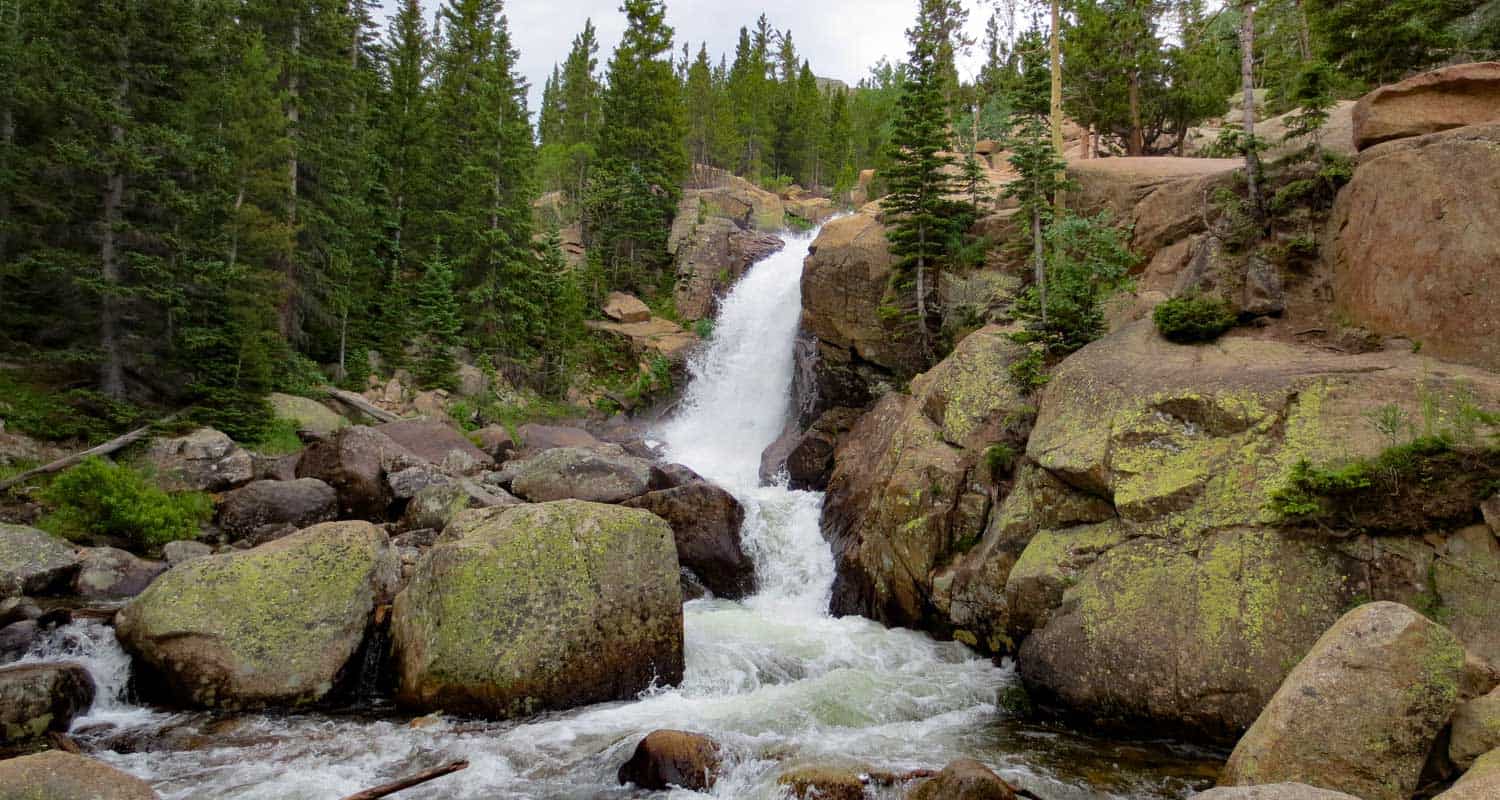
After the waterfall, the trail begins to wind up a series of switchbacks for just shy of a mile until a trail junction with the NorthLong's Peak Trail. The trail into Glacier Gorge/Loch Vale then bears right and ascends for about another .5 mile to another trail junction. The trail to the left will take hikers to Glacier Gorge, and the trail to the right takes hikers on a jaunt to Lake Haiyaha (fun to say three times fast) but this trip to Timberline Falls takes the middle trail onto the Loch Vale Trail.
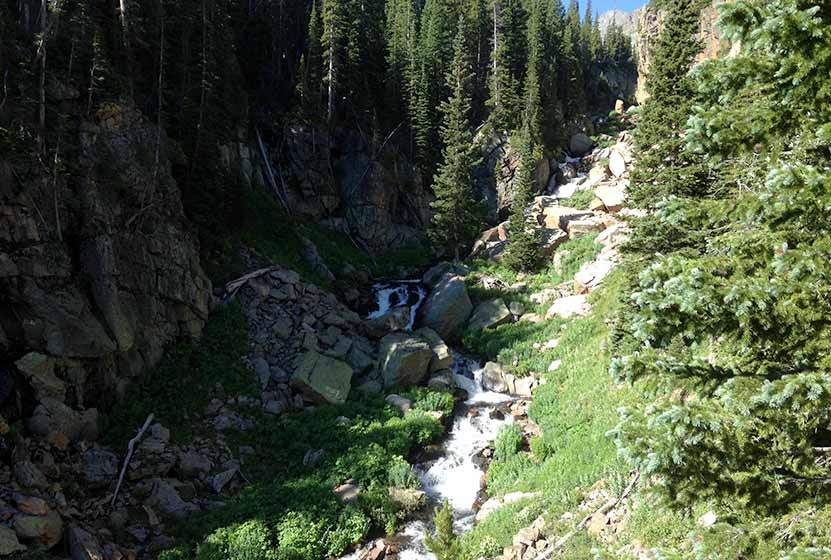
The path follows the path of Icy Brook through a series of longer switchbacks. The brook can be heard gushing and pouring over the rocks below, and one particular switchback there is a great view of its waters casacading through a green canyon (pictured above). At approximately 1 mile after leaving the junction, the trail opens up to more level ground at The Loch. In the distance, beyond the Loch in the west, the cliff face of the Cathedral Wall calls technical climbers to its challenging routes.
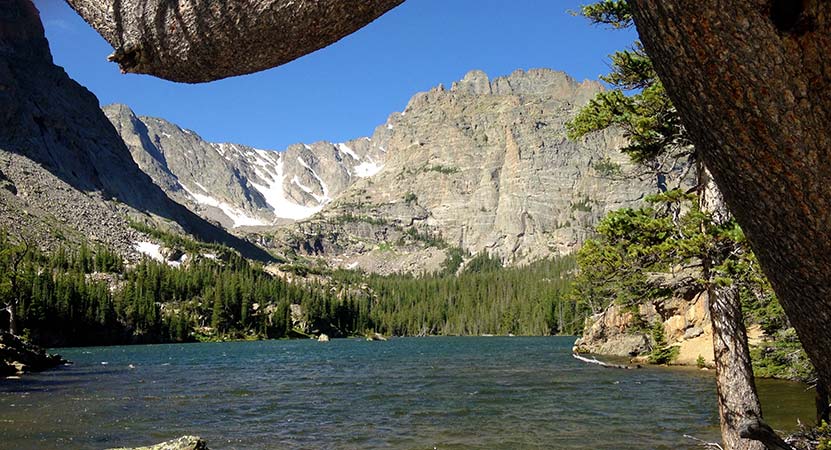
The trail continues along the right side of the Loch until another trail junction beyond its western shores and deep in the the lush forest surrounding Icy Brook. The trail up to Timberline Falls, Lake of Glass, and Sky Pond is on the left, and the path to the right will take hikers into the Andrew's Creek area, one of my favorite areas of the Park. Here the trail up to Timberline Falls gets more steep, working its way up through subalpine forest of fir and spruce, the ground bejeweled with Columbine flowers. Soon you'll gain views of the falls in the distance.
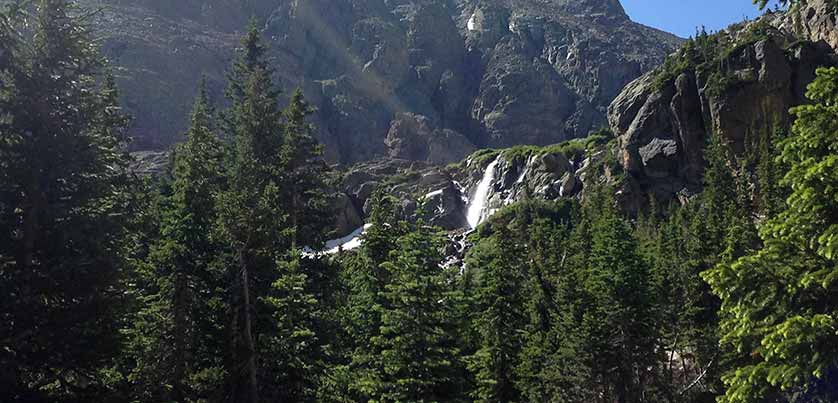
A series of stone stairs takes you to the base of the waterfall. In the late Spring and Early Summer, the falls cut through the winter snowpack and creates fantastic shapes out of the snow. For hikers who want to see more, a very steep and slick trail can be found to far right side of the waterfall. This leads up to the Lake of Glass, it's own waterfall, and to Sky Pond.
Video of Timberline Falls in RMNP
Tips & Resources for Hiking Timberline Falls :
- More to Explore: Be sure to budget extra time to explore the lakes above Timberline Falls.
- Parking: If the parking lot is full at Glacier Gorge Trailhead, there is a shuttle available to take you to the trailhead. See details at the the top of this trailprofile
- Gear: Wear good boots with soles that are good for grabbing the rock if you plan to scramble up the steep trail to Lake of Glass and Sky Pond.
- Pack a Lunch: This is a long hike and you'll certainly need water, but you'll also most likely need fuel for the journey back. Download our hiking guide for a list of great hiking food and snacks.
- Trail Map for Bear Lake Corridor: Trail Map Link
- Packing List: Always pack the 10 Essentials. Download our Hiking Guide to get list and dayhiking packing checklist.
- Colorado Road Conditions: Colorado Road Conditions
- After the Hike: Inkwell & Brew Coffee
Weather
Map & Driving Directions
Ultimate Guide to Maroon Bells in Colorado
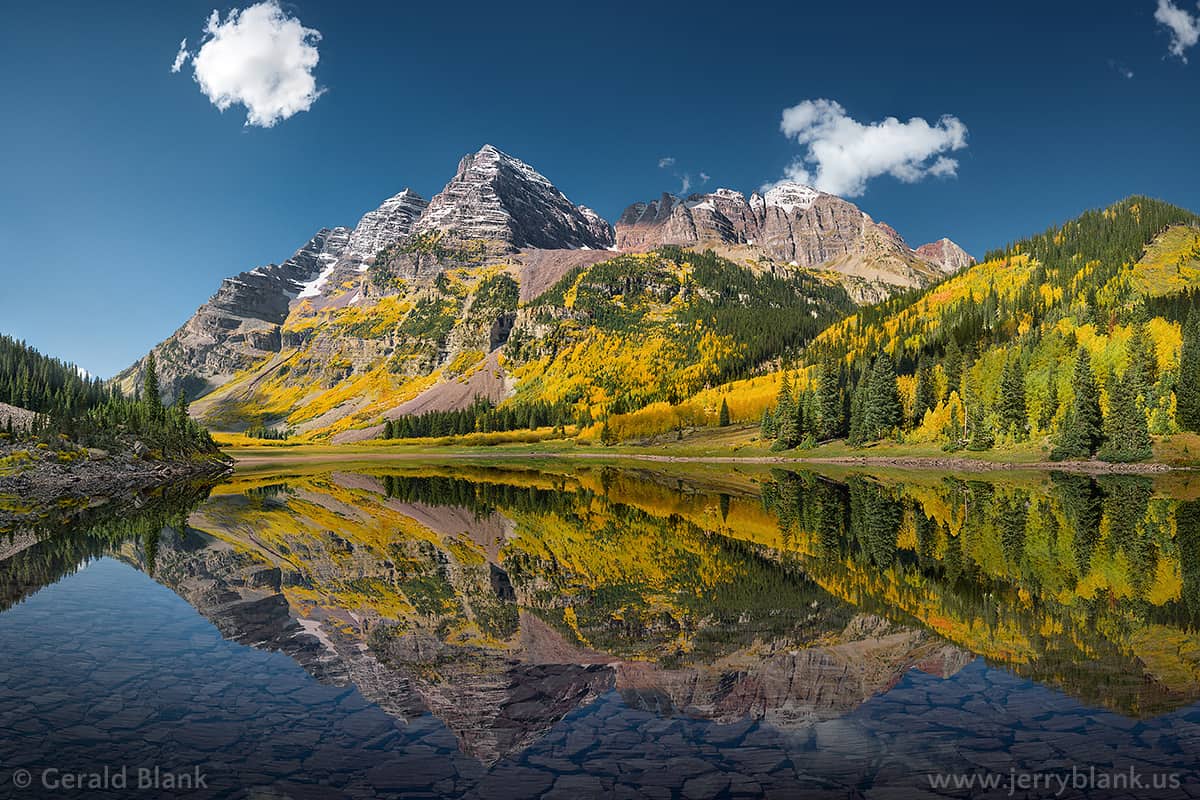
The Maroon Bells offer several hikes and some of the most beautiful scenery in Colorado. It's a Rocky Mountain landscape painted with cascades, lakes, golden aspens, and all against the backdrop of the peaks of the Maroon Bells. This guide to the Maroon Bells features 5 different hiking trail options, spanning from easy hikes to moderately demanding. Because traffic in this area has skyrocketed in recent years, a fee is required to access whether you are driving in or taking the shuttle.
We've attempted to create the definitive guide to hiking from the Maroon Bells Trailhead. In this guide, you'll find: Driving directions to Maroon Bells, Trail Maps, Important Shuttle Bus information, Photography tips, Camping information for the Maroon Bells area, and Tips & Resources for planning your Colorado Vacation. This guide to Maroon Bells is extensive, so we have created a table of contents to help you navigate. Have fun exploring!
Maroon Bells Hiking Guide Contents
1. Trail Snapshot
2. Driving Directions: Parking, Fees, and Permits
3. Parking & Trailhead
4. Hiking the Trail
5. Maroon Lake Trail
6. The Scenic Loop Trail
7. Maroon Creek Trail
8. The Crater Lake Trail
9. The Willow Lake Trail
10. Photography
11. Hiking with Kids
12. For Out-of-State Hikers
13. Things to Do Nearby
14. History and Geology
15. Protect Maroon Bells
Maroon Bells Hike Snapshot
Hike DistanceFive Trails: 1 to 13 miles Round Trip - Depending on TrailDifficultyEasy to ModerateDurationDepends on Hike (see trails below)Trail TypeBoth Loop and Out-and-Back HikesStarting Elevation9500′Elevation GainNominal up to +3030'SeasonsMid-May to Mid-November (weather dependent)DogsAllowed On 6' leash - but Prohibited on the Scenic Loop TrailHike Trail MapClick for a Map of Maroon Bells Area HikesDenver Drive Time4 hoursDirections Click for Driving Directions to Maroon Bells Town Nearest HikeAspen, ColoradoBeautyIconic Mountain Views, Lakes, Meadows, Tundra, Fall Aspens, Moose, Beaver, and ElkActivitiesHiking, Backpacking, CampingFeeAccess Fee of $10 per vehicle or individual shuttle bus fee
Driving Directions to Maroon Bells: Parking, Fees, and Permits
Because the Maroon Bells trailhead is one of the heaviest used recreation areas in the state of Colorado, there are some driving and access restrictions during the busy summer months. That's why it's important to carefully read these details before you plan your trip.
The Basics
- The Maroon Bells Trailhead is seasonal, and closed from about mid-November though mid-May. Because snow is unpredictable, the exact dates may change. Check the AspenChamber.org page for the most up-to-date and accurate information.
- Parking is very limited at the Trailhead and requires both a permit/reservation and fee. Read all the details at the AspenChamber.org Maroon Bells Reservations page.
- During the busy season, you have to arrive and park at the trailhead by 8AM or After 5PM.
- Most visitors will need to take the shuttle in during the day. Tickets are available online at the RFTA website https://www.rfta.com/routes/maroon-bells/
- Be prepared to shell out some cash for the trip. Parking in Aspen is both limited and expensive. Parking + shuttle costs can really add up for a group. The least expensive way to visit, is to book a parking permit for the trailhead (often many weeks ahead of time) at https://aspenchamber.org/plan-trip/trip-highlights/maroon-bells/reservations
- Plan, Plan, Plan: There are still a ton of places in Colorado where you can jump in the car, drive to a trailhead, and hike. Maroon Bells is not one of them. So, take your time, make your reservations, and plan out your trip.
Driving Directions
There are three different sets of driving directions that you may find helpful.
- Driving Directions to the Maroon Bells Trailhead
- Driving Directions to the Maroon Bells Shuttle Bus service at Aspen Highlands
- Driving Directions to the Rubey Park in Aspen for the free shuttle to Aspen Highlands where you can catch the Shuttle
Access Tips for Maroon Bells in the Summer
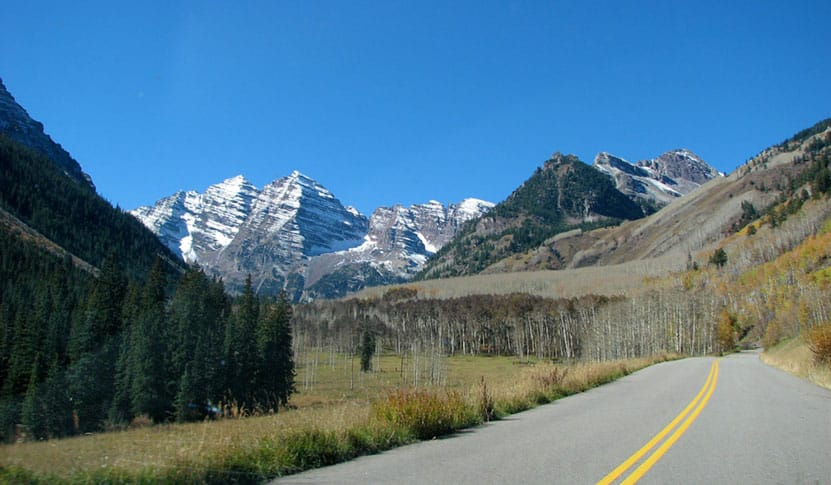
- If the Aspen Highlands lot is full--which is often the case--, you can take the free Castle/Maroon bus from Rubey Park in Aspen to Aspen Highlands, where can pick up the Maroon Bells shuttle (link and map for directions to Rubey Park).
- It's also important to note that if your plans are to backpack and camp in the Maroon-Snowmass Wilderness, you will not be given a parking exception, but will need to take the bus in from the Aspen Highlands lot during the 8am-5pm timeframe.
- Another option is to cycle the 8 miles, one-way from Aspen Highlands up to the Maroon-Snowmass trailhead. There is no fee for cyclists, only vehicles. However, it's important to remember that the road is still very busy, even during the 8am-5pm hours when the driving restrictions apply. As with hiking the area, plan to bring proper gear for the frequent afternoon thunderstorms--yet another reason to go early.
- Driving Out: It's important to note that if you drive in to the trailhead, you may drive out at any time.
Access Tips for Maroon Bells During the Rest of the Year
- In Late-Spring: From when Maroon Creek road opens, which is historically mid-May, and until mid-June--when the shuttle bus service starts--you are allowed to drive the road from 8am-5pm. Of course, permits are still required.
- In Late-Fall: There is a small window, during the last week of October, when you can drive Maroon Creek road to the trailhead any day and any time of the week. Again, the access fee applies. See details at https://aspenchamber.org/plan-trip/trip-highlights/maroon-bells/reservations
- Maroon Bells During the Winter Months: Winter comes in early at this elevation and it holds on well through April. Maroon Creek road is closed during the winter months, beginning in mid-November. Until the road reopens around mid-May of each year, the trailhead is only accessible by hiking in, cross-country skis, or via snowmobile tours. Snowmobile tours can be booked through T-Lazy-7 Ranch. From the gate, the hike/ski in is about 6 miles one-way, and from Aspen Highlands, it's about 8 miles one-way.
Parking and Facilities at the Maroon Bells Trailhead
The Maroon Bells Trailhead--officially titled the Maroon-Snowmass Trailhead--has limited parking and no facilities, except for restrooms. There is plenty of space to lock up your bike on the provided bike racks. There are 35 parking spaces designated for backpackers who are overnighting in the wilderness and you may park for up to 5 consecutive nights in those designated spots. These fill up during the busy season, so be sure to have the shuttle as your plan-b. If you get to Aspen Highlands after the last bus, then you will need to have a plan-c: take a taxi (expensive) in or ask a friend to drive you into the trailhead. Overnight backpackers are not allowed to park in the day-use area. Again, get all the details and permits at https://aspenchamber.org/plan-trip/trip-highlights/maroon-bells/reservations
Guide for Hiking at Maroon Bells
Trail Option #1 - The Maroon Lake Trail at Maroon Bells
- Distance: Less than One Mile
- Difficulty: Easy
- Trail Type: Out & Back
- Elevation Gain: Nominal
The Maroon Lake Trail heads out from the trailhead to the northeast side of Maroon Lake (elevation 9580’) where hikers can take in iconic views of the peaks of the Maroon Bells reflected in its mirrored waters. Fishing is allowed at Maroon Lake, but a Colorado fishing license is required. Be sure to follow limits and regulations. Bring a picnic lunch and soak in the scenery, which includes aspen groves, Maroon Creek, and surrounding meadows. Do be mindful to stay to the trail as the high amount of foot traffic has a profound impact on the environment. For tips on taking a great photo of the Maroon Bells, check out the Photography at Maroon Bells section below.
Trail Option #2 - The Scenic Loop Trail at Maroon Bells
- Distance: 3 Miles
- Difficulty: Easy
- Trail Type: Lollipop Loop
- Elevation Gain: Approx. +120'
- Dogs are prohibited because of Moose inhabiting this area.
The Scenic Loop Trail is probably the most popular trail at Maroon Bells, and for good reason: the views are incredible, the loop takes you along the cascades of Maroon creek for much of the hike, and wildflowers spring up at your feet along the trail. A lollipop loop is a hike that begins with a straightaway (part of the out & back hike above), which takes you to a loop on the end. The Scenic Trail Loop begins at a footbridge on the far/west end of the lake. A way up the trail, hikers will notice another footbridge on the right. This can be taken to shorten the trip by crossing the creek then turning right to head back to Maroon Lake and the trailhead. However, the loop trail actually goes further and past some exceptionally beautiful cascades before turning back toward Maroon lake.
Trail Option #3 - The Maroon Creek Trail
- Distance: 2.5 or 3.5 Miles - One-Way
- Difficulty: Easy
- Trail Type: One-Way
- Elevation Gain: -870'
- Maroon Creek Lake Trail Map: Map Link
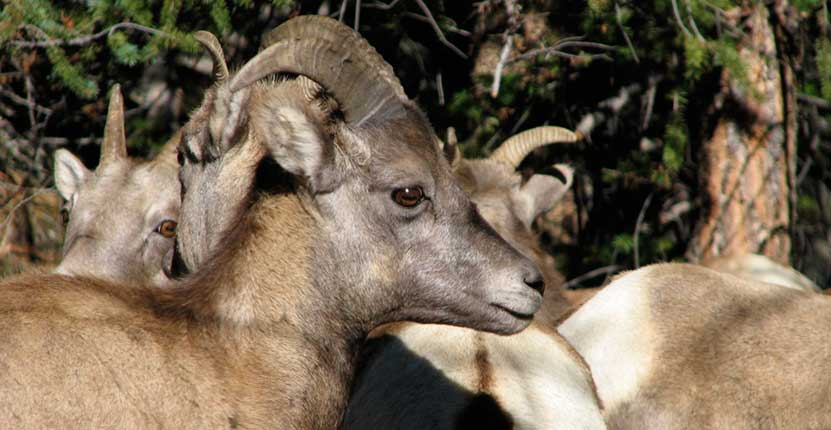
If you are looking for a less crowded option, the Maroon Creek Trail may be the best choice. The Maroon Creek Trail winds downhill alongside Maroon Creek for 3.5 miles. Being near water, the chances of seeing wildlife are pretty good. Maroon Creek Trail begins at Maroon Lake and the trail can be picked up by hiking across the footbridge, turning left, then following the trail down into the valley (away from the Maroon Bells). The trail offers two options.
#1 - 2.5 Mile Hike:
Hikers will encounter and cross a bridge at about 2.5 miles into their hike. At this point, a trail off to the left can be taken across the meadow and up to the road where they can catch the bus back to Aspen Highlands or back to the trailhead. Of course, be mindful of the traffic.
#1 - 3.5 Mile Hike:
The second option is to continue on the trail, cross another bridge, then to stay left onto the East Maroon Trail. This will wind downhill a bit further to another area where you can catch the bus along Maroon Creek Road. As you hike, don't forget to stop occasionally to take in the views behind you of the Maroon Bells.
Trail Option #4 - The Crater Lake Trail at Maroon Bells
- Distance: 3.6 Miles Round Trip
- Difficulty: Moderate
- Trail Type: Out & Back
- Elevation Gain: +500'
- Crater Lake Trail Map: Map Link
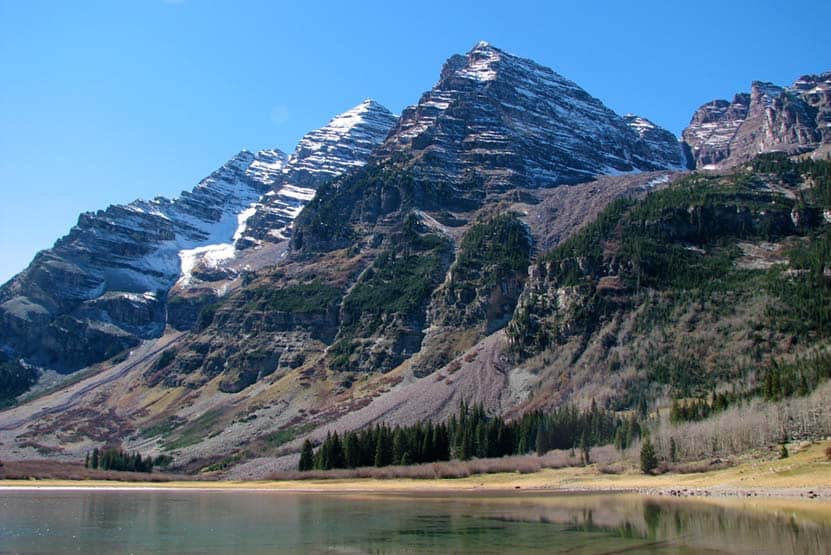
The Maroon/Snowmass trail (right of lake) will lead hikers through a meadow and to a forest service bulletin board at the far end of the lake. From this point the correct trail is the West Maroon/Crater Lake trail which leads up through meadows, aspens forests, and scree fields. The trail can be extremely rock, so be sure that you have excellent footwear. The trail will split at about 1.7 miles where the correct trail to follow is the West Maroon/Crater Lake Trail. At this point, Crater Lake is not far away. The trail will eventually dip down into a beautiful basin that holds Crater lake and incredible views of the Maroon Bells. Crater Lake is not stocked or fishable as it is a dead lake. It is also an area that has been negatively impacted by heavy use and poor camping practices. Because of this, camping is now prohibited and great care should be exercised to keep human and canine impact to a minimum.
Trail Option #5 - The Willow Lake Trail at Maroon Bells
- Distance: approx. 13 Miles Round Trip
- Difficulty: Difficult
- Trail Type: Out & Back
- Elevation Gain: +3020' to Willow Pass
- Willow Lake Trail Map: Map Link
The Willow Lake trail is demanding and may require an overnight. The trail begins at Maroon Lake and follows the same trails that lead to Crater Lake. At the Crater Lake bulletin board, the trail forks to right and makes its way up through Minnehaha gulch, through alpine meadows and eventually to a trail sign for Maroon-Snowmass/Willow Lake Junction. Here the trail goes to right. Switchbacks lead to top of Willow Pass. After making it over Willow Pass, Willow Lake is a more gradual 1.5 miles further down the trail. This hike is difficult, steep, and more exposed to the regular thunderstorms that form in the afternoons. Camping is prohibited in the meadow near Buckskin Pass, and camping is discouraged at Willow lake. The best option is to camp in the established sites in Minnehaha Gulch.
Get our Dayhikes Near Denver Hiking Guide. It includes our favorite hikes near Denver, packing lists, hiking food and snack ideas, and tips for hiking the Front Range of Colorado.
Photography: How to Get Great Photos of the Maroon Bells
We would like to thank photographer Jerry Blank for the stunning photo of the Maroon Bells at the top of this post. We asked him for a few photography tips and he emphasized the importance of arriving early in order to 1) get a parking spot, and 2) to get a shot of the water before the wind kicks up ripples on the early morning mirror surface of the lakes. More of his photos can be viewed and prints can be ordered from his galleries at this link.
- Fall is the Best Time for Photos: The changing aspens peak in their golden hues during the latter half of September. However, this is just a rule of thumb because much depends on the changing temperature, so it varies from year to year.
- Sunrise Shots are Primo: We all have our best side, and the Maroon Bells' best side faces east. This means that the morning sunrise provides the best opportunity for photos.
- What Time Should I Get There? Earlier than you think. The shoreline of Maroon Lake fills up fast with tripods, so you'll want to get there well before sunrise.
- Dress for the Occasion: Wear your down coat and bring a thermos of hot coffee. The morning breeze and cold temps will conspire to make the wait for sunrise a cold one.
Hiking with Kids at Maroon Bells
- Hydrate: We hike a lot with our kids and it's easy for them to get dehydrated, especially in the dry climate and at high altitude in Colorado. Bring water bottles full of water for everyone.
- Pack Snacks or Bring a Lunch: The drive back to Maroon Bells takes you pretty far out of town and you'll want to stay a while. Bring snacks or a picnic lunch to refuel while you are exploring.
- Choose a Hike with Options: If your children are younger then you may want to begin with the Maroon Lake Trail. If you are still feeling adventurous after that, you could add on all or part of the Scenic Loop. Be aware of Moose and keep your distance from them.
Visiting Maroon Bells From Out-of-State
- Download our Hiking Guide for a list of hiking tips, 10 essentials that everyone should pack for their dayhike, and recommended hiking snacks.
- Take it Easy: Hiking at altitude (almost 2 miles above sea level at the Maroon Bells trailhead) can be really demanding. Choose a trail that matches your physical shape and be prepared to go at a slower pace.
- Don't Drink from Streams or Lakes: There is a misconception that drinking from a mountain stream or lake is the purest water in the world--it's not! Mountain streams and lakes are watering holes for wildlife, especially rodents that carry parasites like giardia and other waterborne infectious diseases that can completely ruin your vacation. All water from these areas should be properly filtered and/or purified.
Camping Near Maroon Bells
There are three established USFS camping areas along Maroon Creek Road on your way in to the Maroon Bells Trailhead. These three are some of the more popular campsites in the state during the summer and fall, so you will want to reserve them well ahead of time. You'll find profiles for the three camping areas below. Reservations can be made at all three campgrounds by calling 1-877-444-6777 or by reserving online at www.recreation.gov
Crater Lake Campground has been closed because of bear activity in the past, so be sure to check to see if it is currently open. However, there are about 20 USFS campgrounds in the White River National Forest area near Aspen. The USFS has a handy camping brochure that can be downloaded at this link.
Silver Bar Campsite
- Driving Directions to Silver Bar Campground: Click for Directions
- Four primitive walk-in campsites only
- Elevation: 8500'
- Drinkable water and toilets, as well as picnic tables and fire-grates are available.
- Five-day camping limit with 2pm checkout.
- Eight-person, two car limit per campsite.
- Pets allowed but must be leashed at all times.
- Reservable Dates: 5/26 - 9/13
- Fees: Camping Fee + Vehicle Fee
Silver Bell Campsite
- Driving Directions to Silver Bell Campground: Click for Directions
- Fourteen campsites
- Elevation: 8350'
- Drinkable water and toilets, as well as picnic tables and firegrates are available.
- Five-day camping limit with 2pm checkout
- Eight-person, two-car limit per campsite.
- Pets allowed but must be leashed at all times
- 30' RV limit
- Reservable Dates: 5/26 - 9/13
- Fees: Camping Fee + Vehicle Fee
Silver Queen Campsite
- Driving Directions to Silver Queen Campground: Click for Directions
- Six campsites
- Elevation: 9100'
- Drinkable water and toilets, as well as picnic tables and firegrates are available.
- Five-day camping limit with 2pm checkout
- Eight-person, two-car limit per campsite.
- Pets allowed but must be leashed at all times
- 30' RV limit
- Reservable Dates: 5/26 - 9/13
- Fees: Camping Fee + Vehicle Fee
Backcountry Camping in the Maroon Bells/Snowmass Wilderness
- Camping is allowed within the Maroon Bells/Snowmass Wilderness area. Be sure to follow all the Wilderness Use Regulations and Practice Leave No Trace principles.
- Camping at the designated spots at Crater Lake is currently allowed, but has been closed in 2014-2015 because of increased bear activity in the area, which is due to poor camping practices. The USFS will close the area again if bear activity becomes problematic.
- Bear canisters are required
- Self-registration required at the trailhead
- Pets allowed but must be on a 6' leash at all times in the wilderness.
Things to Do Near Maroon Bells
- White Water Rafting with Aspen Whitewater Rafting
- Guided Climbing, Hiking, and Mountaineering Trips with Aspen Alpine Guides
- Winter Snowmobile Access to Maroon Bells with T-Lazy-7 Snowmobile Tours
History and Geology of Colorado’s Maroon Bells
The brick red color of the Maroon Bells is created by the oxidation of iron in the ancient sedimentary rock that makes up the mountains. They were formed when ancient granite mountains eroded, then were thrust toward the sky in a later mountain building event. Glaciers then cut valleys and cirque lakes, like Maroon Lake and Crater Lake. The Maroon Bells are considered Colorado Fourteeners with North Maroon at 14,014' and the summit of South Maroon Peak at 14,156'. They are called "the bells" because the shape of the mountains resemble church bells. The surrounding Maroon Bells-Snowmass Wilderness area was one of the first US Wilderness areas established in 1964. The ruins of mine riddle the landscape from the silver mining activity of the late 1800's.
The sedimentary siltstone that makes up the Maroon Bells and nearby mountains, like Pyramid Peak, makes them very dangerous to climb. It's described by climbers as "rotten" rock and very unstable. In fact, in 1965 there were five different climbing accidents on the Maroon Bells, taking the lives of eight climbers. This gave the Maroon Bells the new monicker, the "Deadly Bells". There are yearly accidents and usually deaths on the Bells. Because of this, we recommend that those contemplating an ascent of the Maroon Bells should contact a professional guiding service.
How You Can Protect the Maroon Bells Area
- Camp in Designated Spots: Camping has been prohibited at many of the high-mountain lakes in the Maroon Bells-Snowmass area in order to protect these overused and highly impacted environs. The USFS has inventoried over 700 campsites, that have impacted the equivalent of 35 football fields of land. So, be sure to use established camping areas in both the wilderness and along Maroon Creek road.
- Keep Out of the Water: People and Dogs can greatly disturb fragile ecosystems in streams and lakes because of detergents and oils on our clothing and skin. The water sources around Maroon Bells are at a much higher risk because of the sheer volume of hiker and backpacker traffic.
- Keep Dogs on a 6' Leash: I have regularly hiked with my dog for years, and have often let her off the leash. But in the last few years, I've become much more aware that man's best friend has a significant impact on the wildlife that make our wilderness areas their home. Even in areas that don't require leashes, I now leash our dog. As much as you would love for your dog to run free, it's important to remember that both we and our dogs are guests in this place and we want to leave the least amount of impact possible. Of course, this is a 6' leash required area. The Ranger District is now giving special attention to unleashed dogs and writing tickets.
- Pack Out All Trash: It should probably go without saying, but be sure to pack out your trash, including both human and dog waste. In 2015 alone, forest rangers packed out over 500 pounds of trash left by visitors to the Maroon Bells-Snowmass area.
Weather
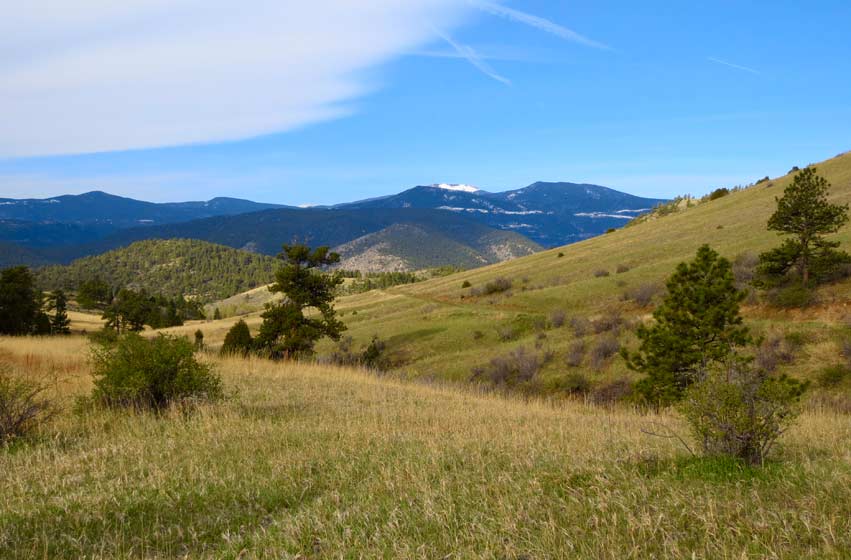
Elk Range Trail at Centennial Cone Park
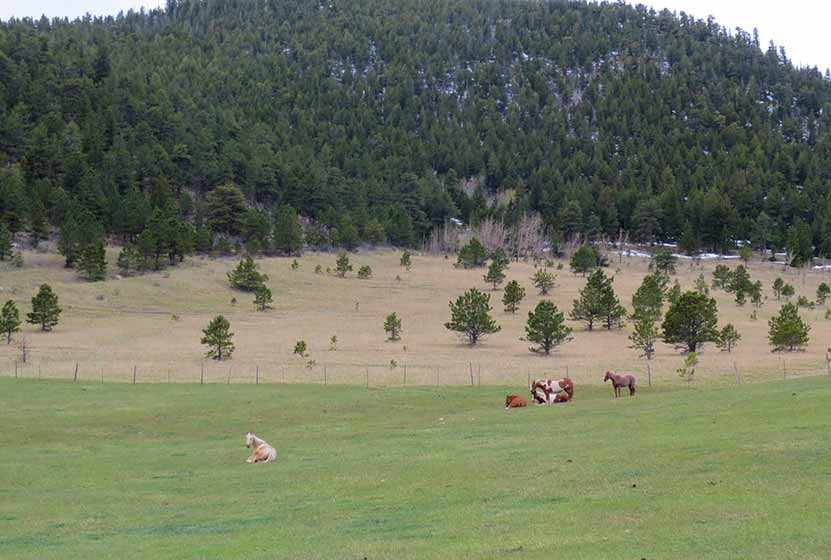
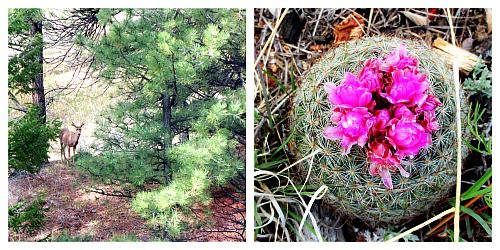
For those who are looking for a nice hike that incorporates the highland meadows of Colorado and views to snowcapped mountains, then the Elk Range Trail at Centennial Cone Park is the perfect hike. The Elk Range Trail can be hiked as an out-and-back 6.6 mile adventure, starting from one of two different trailheads. We saw a lot of wildlife and few people. Explore the full trail profile below for trail details, Centennial Cone park map, driving directions, and more.
Trail Snapshot: Elk Range Trail at Centennial Cone
| Hike Distance | 6.6 miles Round Trip |
|---|---|
| Difficulty | Easy to Moderate |
| Duration | Approx 2.5 hr |
| Trail Type | Out and Back |
| Elevation | +446'/-314' |
| Seasons | All Year (closes during hunting season) |
| Dogs | Allowed on Leash |
| Hike Trail Map | Click for a Map of Centennial Cone Park |
| Denver Drive Time | 42 min |
| Directions | Click for Google Map |
| Town Nearest Hike | Golden, Colorado |
| Beauty | Upper foothills and the peaks of the Rockies beyond, high country meadows, grazing cattle and horses, elk and whitetail deer |
| Activities | Horseback riding, hiking, mountain biking and wildlife viewing |
| Video | Click For Video |
| Weekend Use | Odd days hiker-only, Even days bike-only |
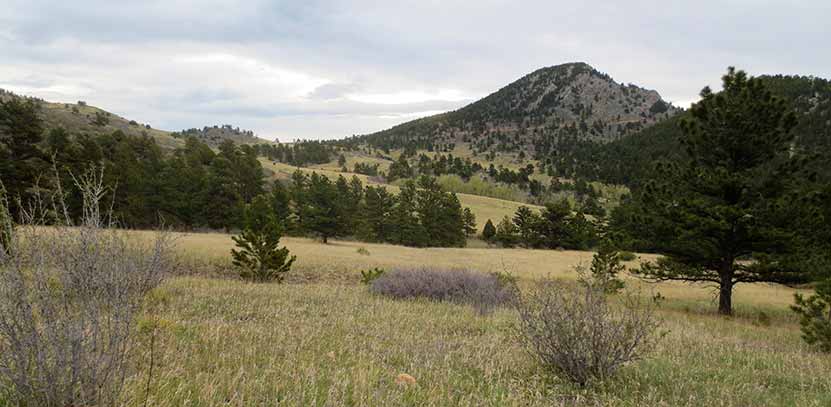 Looking East towards Centennial Cone
Elk Range Trail at Centennial Cone Profile
You have two trailhead options when taking the 6.6 mile Elk Range Trail.The driving directions link above are for the Centennial Cone Road trailhead. A North Centennial Cone Park Trailhead has equestrian trailer parking and can be located at this link. Our trail profile here describes the trail hiking from West to East.
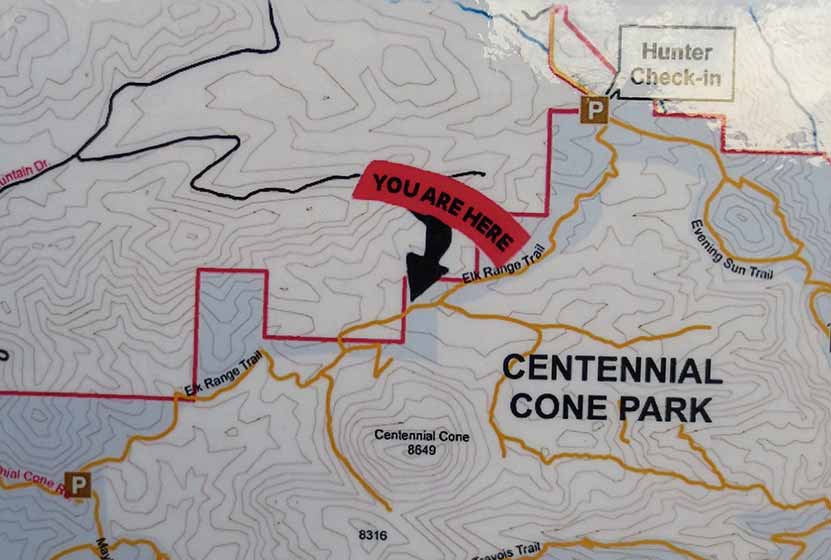
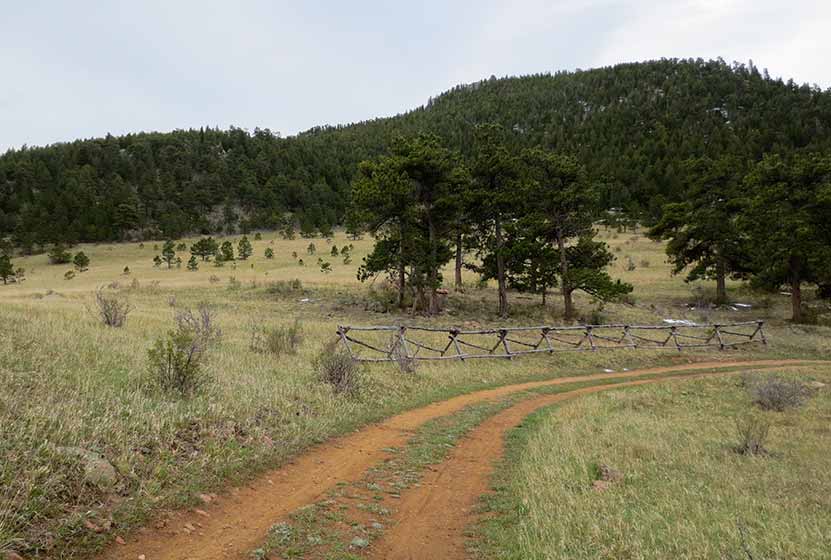
From the Centennial Cone trailhead, you immediately find yourself surrounded by green open fields. At about half a mile in you'll encounter a fence with a gate. When you walk through the gate, you'll be on private property for a few hundred yards. Jefferson County parks has some sort of easement, so continue your hike but stay on the trail, until you get to the other gate. There are horses and cows that wander about the area without fences, so they may be on the trail when you arrive. Another reason to be sure that the gates close behind you.
Hiking along the Elk Range Trail, I couldn't help wondering, "Can you hike up to the top of Centennial Cone?" There is no trail on the map but there appears to be the vestiges of an old road or trail leading up the North end of Centennial Cone. Because I haven't hiked it yet, I can't recommend it, but the old trail can be found just before the trail enters private property. Where the trail bends just before the gate, you can follow a set of what look to be markers for an underground gas line. These lead up to the trail at the base of Centennial Cone. This is as far as I explored, and hope to get back to attempt a hike to the top of the cone.
It's important to know that on the weekends the trail alternates from hiker-only to biker-only. Here's how to keep track of it: Odd days are hiker only and even days are bikes only.The weekdays are open to both hikers and mountain bikers.The park is closed during certain days for hunting season. You can get the exact closure dates from the Centennial Cone page of Jefferson County's opens space site.
If you've started from the Centennial Cone Road trailhead and would like a pleasant and beautiful drive home, take Highway 6 through Clear Creek canyon, and into Golden.
Tips & Resources for Hiking the Elk Range Trail:
- Mud: The Elk Range Trail can be a bit muddy after a good rain. You'll want to bring appropriate gear if you're planning a hike after a storm for a good day or two, including sturdy shoes.
- Storms: The Elk Range Trail is at a high enough altitude that you'll want to keep an eye out for thunderstorms. There is very little cover on this trail, so check the weather report before heading out as well.
- After the Hike: Cafe13 in Golden
- Road Conditions: Colorado Road Conditions
- Trail Map for Centennial Cone Park: Trail Map Link
Weather
Map & Driving Directions
Click for Driving Directions
Hiking Green Mountain Near Boulder
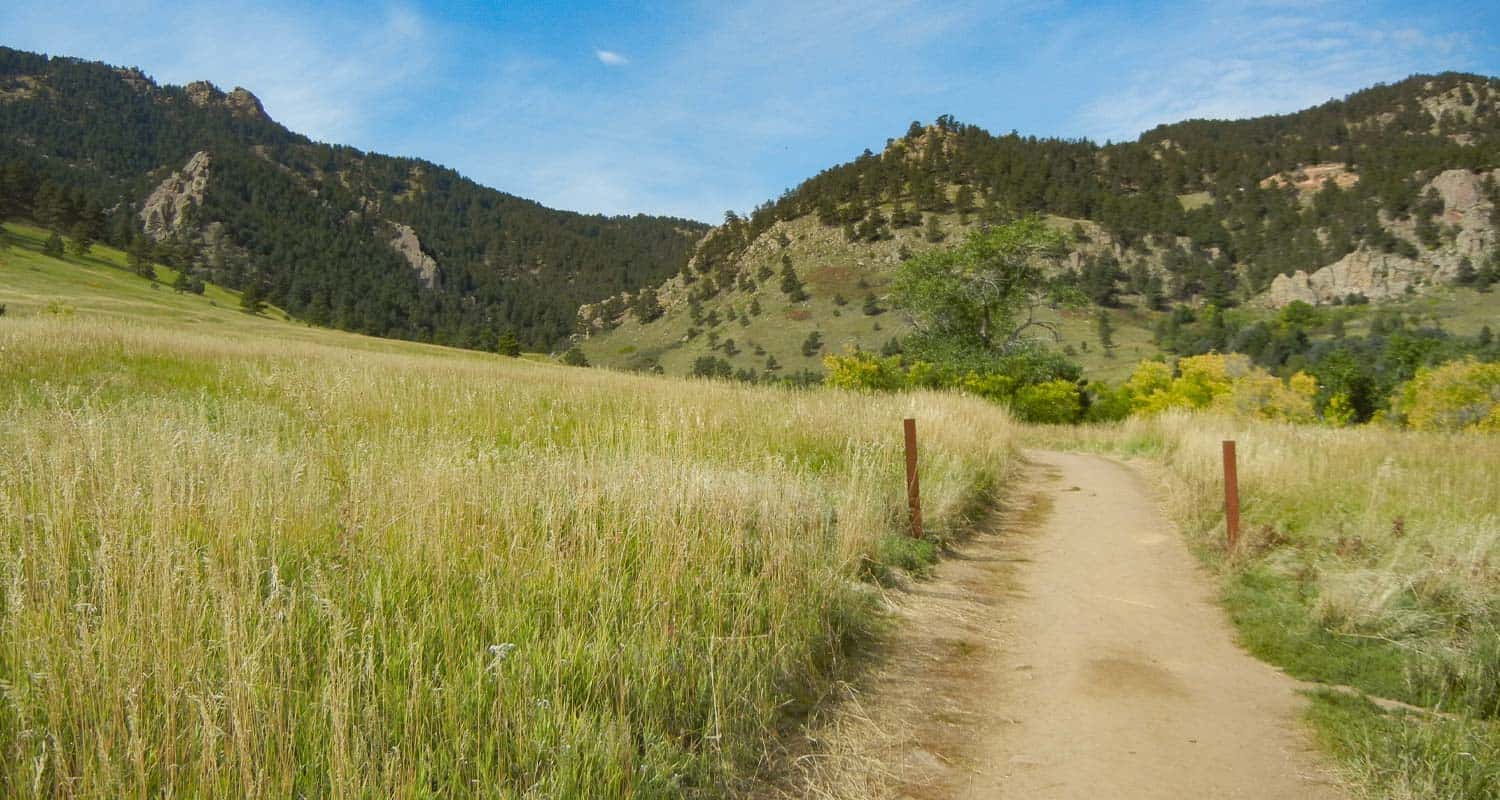
Green Mountain in Boulder, Colorado is a strenuous hike that offers fantastic views of the Front Range, Flatirons, and a wide panorama at the top of Green Mountain. The trails around Chautauqua park offer a several options to summit Green Mountain, letting you take your trail of choice, but in the trail profile below, we'll point out the most direct route. Explore the full Green Mountain hike profile below for trail map, driving directions, and all the details you need to conquer this hike near Boulder.
Trail Snapshot: Green Mountain via Gregory Canyon Trail
| Hike Distance | 5.5 miles |
|---|---|
| Difficulty | Difficult |
| Duration | Approx 3 to 4 hrs |
| Trail Type | Loop with Spur to Summit |
| Elevation Gain | +2500′ |
| Seasons | All Year |
| Dogs | Allowed on Leash (see details in tips below) |
| Hike Trail Map | Click for a Map of Green Mountain |
| Denver Drive Time | 40 min |
| Directions | Click for Google Map |
| Town Nearest Hike | Boulder, Colorado |
| Beauty | Panoramic views at the peak, wildflowers, shade, lots of wildlife |
| Activities | Hiking, Picnicking, Trail Running |
| Video | Click For a Video of Green Mountain |
Green Mountain Near Boulder Trail Profile
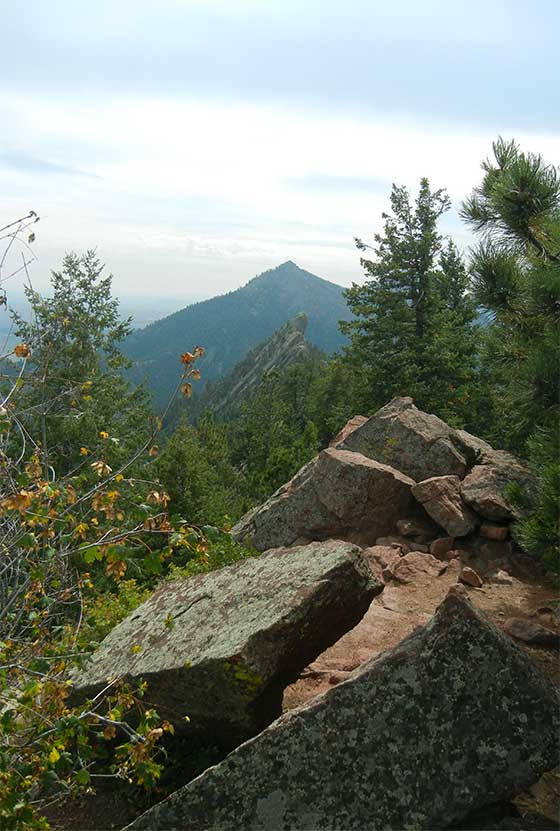
Parking was EXTREMELY busy when I visited on a Sunday morning, I had to park along Baseline road and many people were parking along residential streets. Don’t be turned off by this though, many come for the lower hikes, and visitors noticeably thin off as soon as you enter Gregory canyon to make your way up to the summit of Green Mountain. Gregory Canyon has its own trailhead parking area which requires a fee.
The 2013 flooding has closed the Gregory Canyon parking lot, but it's a small lot anyway and most hikers will need to park along the road as I did--unless you plan to hit the trail before 7am. You can also begin your hike at Chautauqua park, and take the ski jump trail to the bluebell trail which will lead you to the Gregory Canyon trailhead. This will add 1.2 miles round trip to your hike, but will afford you great views of the Flatirons at the beginning of the hike.
Another option is to park along Flagstaff road near Realization Point, and to completely bypass Gregory Canyon and take only the Ranger Trail up. However, this trail profile of Green Mountain will feature a loop hike taking the following trails: Gregory Canyon to the Ranger Trail to the Summit, returning via the E M Greenman trail, then back down via Saddle Rock for a total of around a 5.5 mile hike. See the map link above to get a visual of the route.
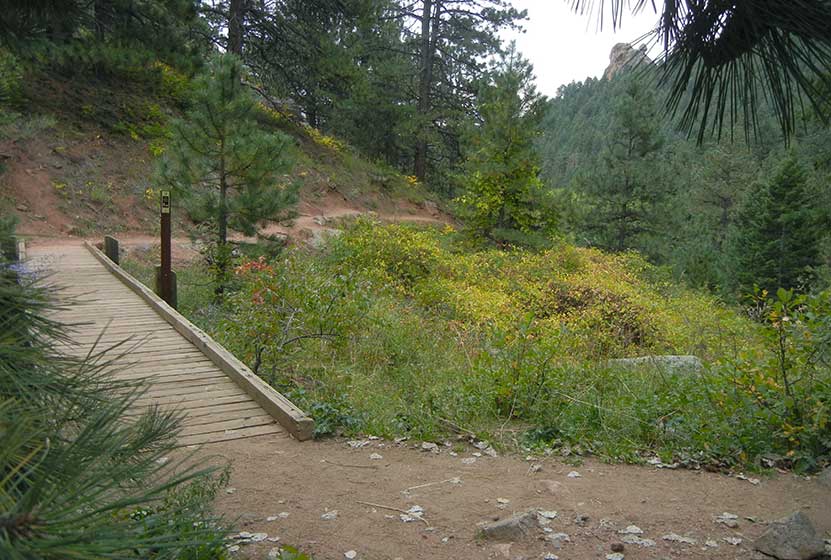
Starting at the Gregory Canyon trailhead, you'll notice that the first portion of the hike is very sun exposed. However, the Gregory canyon and Ranger and Greenman trails are probably ~80% shaded. There is some flood damage from 2013 floods, but the trail markings have been updated and are very clear (just make sure you read all posts at each intersection). The Gregory Canyon trail, like many others in the Chautauqua park area, has an orchard-like aroma because of all the flowers and fruit growing along the trail.
I noticed several families with children hiked Green Mountain from the Flagstaff Rd parking area, but noted that the smaller kids had to be carried at some points.
For Summiting Green Mountain you have two choices, Ranger or Greenman. Ranger has more carved steps and is mostly switchback in nature. Greenman seems to be fewer switchbacks, in favor for a more gentle climb. For this loop hike, take the Ranger trail up, and descent via the Greenman trail.
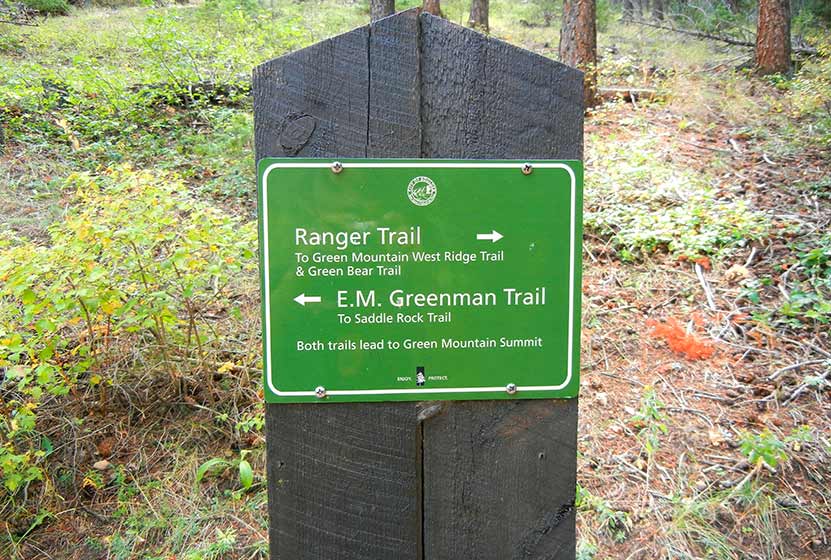
At The Summit of Green Mountain
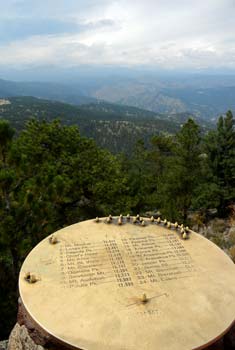
The summit of Green mountain gives you a panorama view to both into Boulder in the East, and to the Rocky Mountains in the West. There is a unique bronze disk set into the granite at the summit. It points out and identifies the different peaks in the distance. Most of the year, except in July through most of September, you'll be able to take in the snow-capped ridges and peaks of the Indian Peaks Wilderness area.
The Return Hike Down Green Mountain
Of course, you could descend the way you came, but why not take in some new trails and views. You can make this a loop hike by descending the Greenman trail. After about 1 mile, the trail will intersect with the Saddle Rock Trail. Take the Saddle Rock Trail back down to the Gregory Canyon Trailhead.
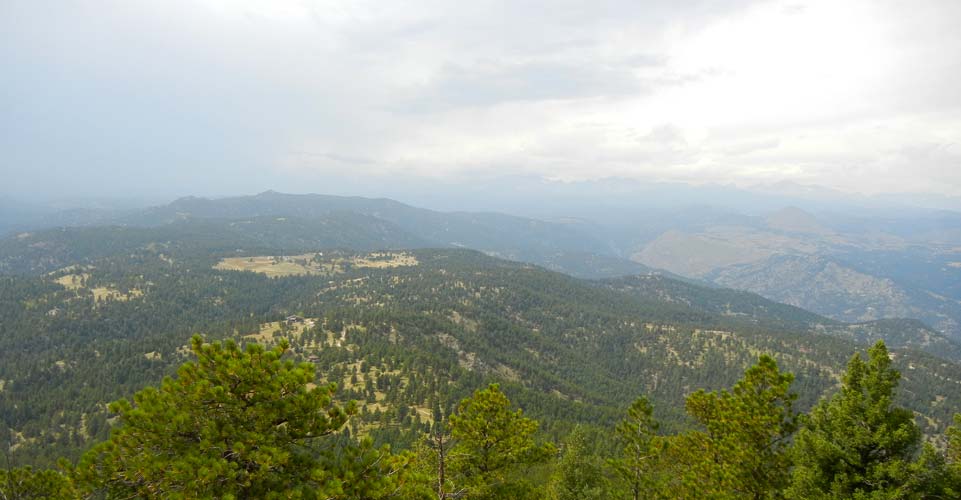
We want to thank Joe Quintana, a member of our Dayhikes Pathfinder Team, who hiked Green Mountain, gathered the information for the trail profile, wrote portions of this post, and took the photos for this hike. Thanks, Joe!
Tips & Resources for Hiking Gregory Canyon to Green Mountain:
- Parking: Parking area was closed due to 2013 flooding. Trailhead is only accessible by hiking up Baseline trail from a lower parking area.
- poison ivy: There is poison ivy along the Gregory Canyon trail, so be sure to be careful not to brush up against it.
- dogs: Boulder's parks allow approved dogs to be off-leash, but owners must get a voice and sight control tag. For more information, see Boulder's dog voice and sound control tag page.
- Hiking Guide: Be sure to download our Dayhike Hiking Guide and Packing Checklist so that you are prepared for this strenuous hike.
- After the Hike: Etai's cafe in Boulder
- Road Conditions: Colorado Road Conditions
- Trail Map for Chautauqua Area: Trail Map Link
Weather
Map & Driving Directions
Click for Driving Directions
Horseshoe Trail at Golden Gate Canyon Park
The Horseshoe Trail in Golden Gate Canyon State Park is a wonderful hike for older kids, experienced and non-experienced hikers. It's a great trail for spotting wildlife, from birds to deer, viewing fall colors and wildflowers, and taking in the beautiful scenic view along the trail. Several of the backcountry campsites areas are also accessible from the Horseshoe trail. We'll detail those locations, provide links to a trail map, driving directions and more in the trail profile on this Colorado hike.
Trail Snapshot: Horseshoe Trail at Golden Gate Canyon Park
| Hike Distance | 3.6 miles Round Trip |
|---|---|
| Difficulty | Moderate |
| Duration | Approx 2 hr |
| Trail Type | Out and Back |
| Elevation Gain | +910′ |
| Seasons | Spring through fall, depending on snow fall |
| Dogs | Allowed on Leash |
| Hike Trail Map | Click for a Map of Golden Gate Canyon Park |
| Denver Drive Time | 50 min |
| Directions | Click for Google Map |
| Town Nearest Hike | Golden, Colorado |
| Beauty | Wildflowers, spruce and fir trees, aspen meadows, big boulders, wildlife, mountain views and running stream along trail |
| Activities | Hiking only trail |
| Video | Click For a Video of Golden Gate Canyon Park |
| Pass Required | Daily Pass Link Annual State Parks Pass Link |
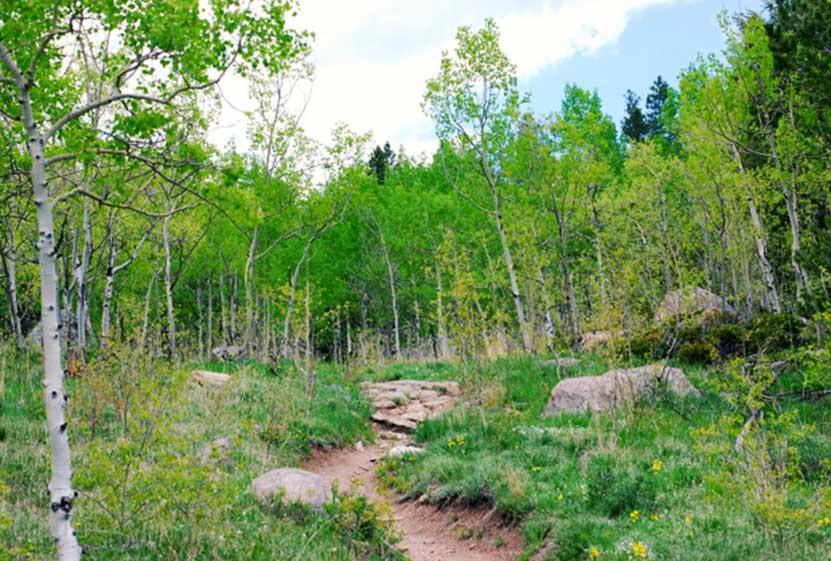
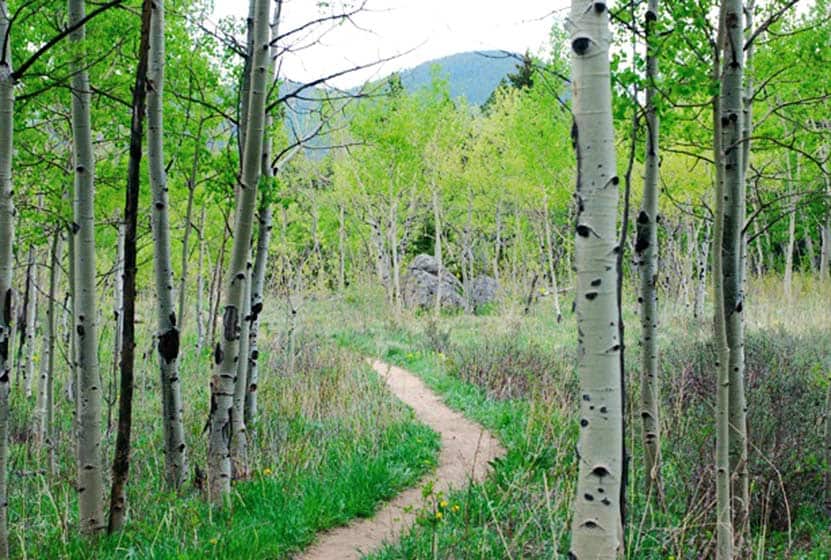
Golden Gate Canyon's Horseshoe Trail is a 3.6 mile out-and-back hike (1.8 miles one-way). We've rated it as moderate in difficulty because of the 900+ feet of elevation gain. The Horseshoe Trail is popular because it follows the beds of several small streams, winds through groves of aspen trees, and leads to beautiful meadows, as well as three of Golden Gate Canyon State Park's backcountry camping areas.
To get to the trailhead (first,use our driving directions). Once in the park, exit to the right out of the Visitors Center--you'll want to stop here first to pick up a map. You'll find the Frazer Meadows parking area and trailhead for the Horseshoe Trail on the left-hand side of the road. Keep in mind that parking is limited, so it would be best to arrive early. There are also restrooms at the Horseshoe trail trailhead and we found them to be kept up and clean.
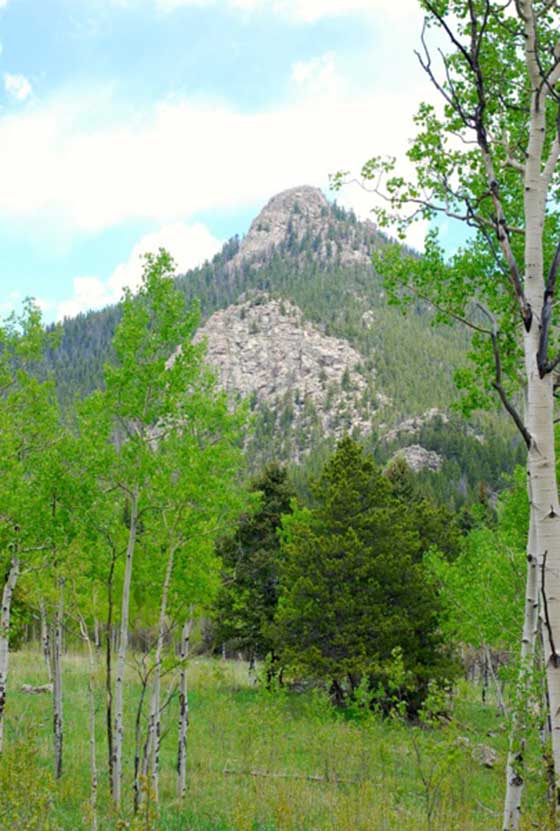
One of the highlights of this trail are the streams that run along it. You'll find that there are several small bridges to cross as you make your way up the trail. Seasonal streams also mean that sections of the Horseshoe trail will get muddy on after rains and during the Spring melt-water runoff. But water also means wildflowers, and this trail comes alive with them in late Spring through the Summer.
The Horseshoe Trail also leads you to access trails for three of the five Golden Gate Canyon backcountry camping areas. Use this link to the backcountry camping brochure to get details on cost per night and how to make campsite reservations in Golden Gate Canyon State Park. The first campsite access trail is at 1.1 miles and will take you to Greenfield Meadows, which has 4 campsites. Continuing on the same spur, you can hike further in to the Frazer Meadow campsite which has 4 campsites and one backcountry shelter. If you continue on the Horseshoe trail, you'll come upon the access trail for Rim Meadow campsite at 1.3 miles. Rim Meadow also has 4 campsites.
Tips & Resources for Hiking the Horseshoe Trail:
- Park Pass: A Colorado State Park Pass is required to enter Golden Gate Canyon State Park. Check the Golden Gate Canyon Fees page for details on park passes. Some trails offer passes at self-serve dispensers.
- Printed map: The trail forks to the left, make sure to have a printed map on hand which you can pick up at the Visitors Center.
- Bug spray: for hot summer days not a bad idea.
- Sun protection: The trail is often shaded--a rare thing for Front Range hikes--but be sure to bring sun protection because it is almost 4 miles round trip and there are areas exposed to the sun.
- No cell phone: There is no cell phone coverage at Golden Gate Canyon State Park.
- Download our Dayhikes Hiking Guide for a day hike packing checklist
- After the Hike: Windy Saddle Cafe in Golden
- Road Conditions: Colorado Road Conditions
- Trail Map for Golden Gate Canyon State Park: Trail Map Link
A big thanks goes out to Lisa Palmer, a member of our Dayhikes Pathfinder Team, who hiked this trail with her family, gathered the information for the trail profile, and took the photos for this post.
Weather
Map & Driving Directions
Click for Driving Directions
Blue Grouse Trail at Golden Gate Canyon Park
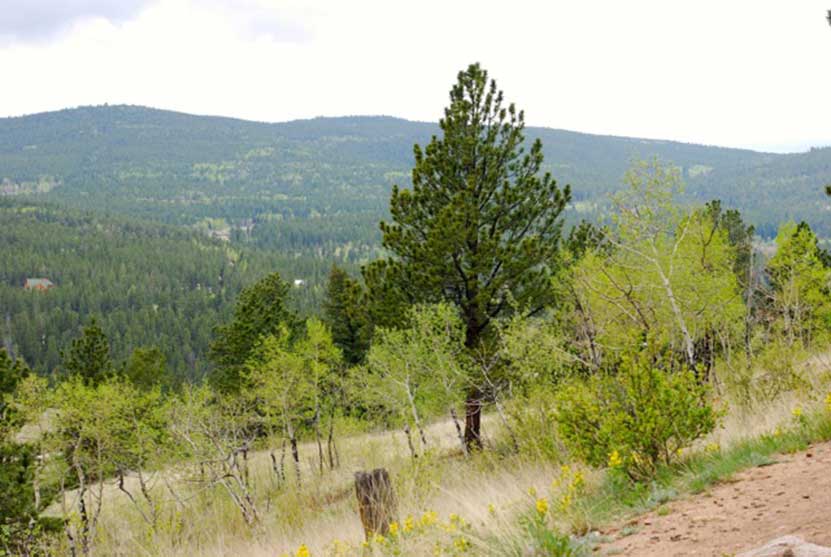
The Blue Grouse Trail is a short, 1.6-mile hike on the western edges of Golden Gate Canyon State Park. A pleasant trail with little gain in elevation and mellow terrain makes this a great escape from the city. The Blue Grouse Trail is a perfect hiking trail for spotting wildlife, from birds to deer, viewing fall colors and wildflowers, and taking in the beautiful scenic view along the trail. Explore the full hiking trail profile below for hike details, trail map, and links to similar trails near Denver.
Trail Snapshot: Blue Grouse Trail
| Hike Distance | 1.6 mile RT |
|---|---|
| Difficulty | Easy to Medium |
| Duration | Approx 1 hr |
| Trail Type | Out and Back |
| Elevation Gain | Approx. +400' |
| Seasons | All Year, depending on snow fall |
| Dogs | Allowed on Leash |
| Hike Trail Map | Click for a Map of Blue Grouse Trail |
| Denver Drive Time | Approx. 1 hr |
| Directions | Click for Google Map |
| Town Nearest Hike | Golden, Colorado |
| Beauty | Wildflowers, pine and spruce trees, aspen meadows, big boulders, wildlife, mountain views |
| Activities | Hiking, mountain biking, horseback riding (permitted on trail), Fishing at Kriley Pond (permit required) |
| Pass Required | Daily Pass Link Annual State Parks Pass Link |
| Video | Click For a Video |
Before you start this hike there are some things you should know - a Colorado State Park Pass is required to enter Golden Gate Canyon State Park. A day pass can be purchased at the Visitors Center upon entrance into the park. Some trails offer passes at self-serve dispensers, but the Blue Grouse Trail does not.
To get to the Blue Grouse trailhead, pass Kriley Pond and take the first right at Mountain Base Road. The trailhead parking area is to the right at the fork in the road. At the trailhead you’ll find picnic tables. There is a porta-let at Kriley Pond and there are restroom facilities at the Visitors Center. Below you'll find more details on the trail, Kriley pond, and some information on camping at Golden Gate Canyon State Park.
Hiking the Blue Grouse Trail
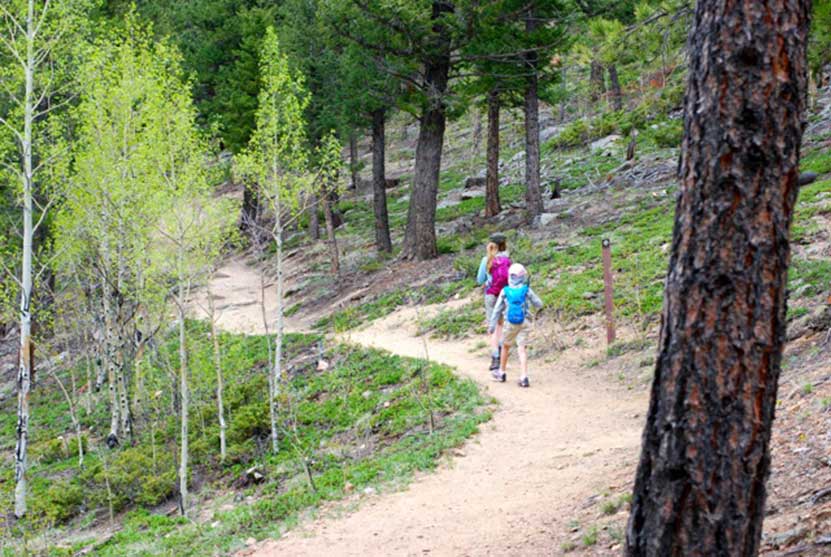
You'll make your way along a nice dirt path with a few rocky sections. The elevation gain is slight, and this short hike can be turned into a longer one by joining up with the Mule Deer Trail where the Blue Grouse trail terminates at .7 mile. Mule Deer Trail is a 7.4 mile loop, and there is a Golden Gate Park map at the trail intersection.
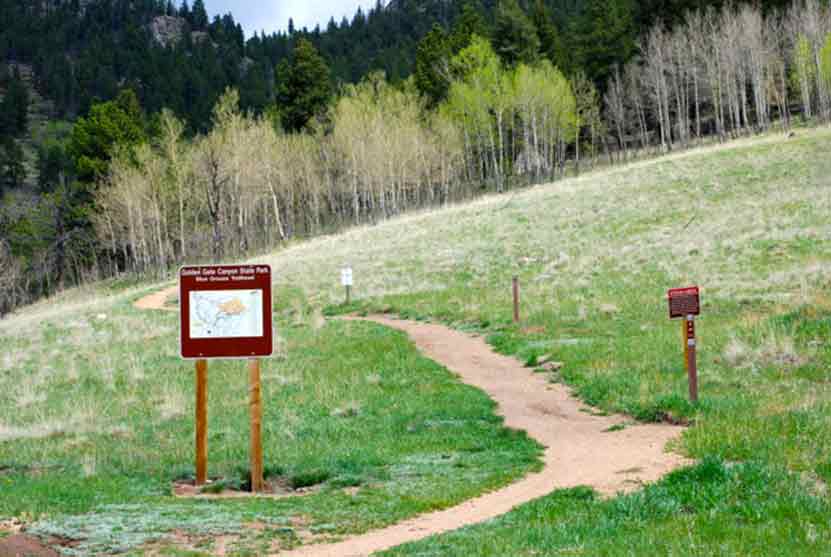
The Blue Grouse Trail is a popular trail for mountain bikers who use it to access the longer trails in Golden Gate. Mountain bikers in Colorado are typically very considerate of hikers, but just be aware that you'll be sharing the trail with others. After the initial rise, the trail is more gentle as it ascends the hillside. You'll be drawn to the rock outcroppings ahead and a beautiful grove of aspens.
Tips & Resources for Hiking the Blue Grouse Trail:
- Trail options: View the Golden Gate Canyon Park map to see the various other trail options you have after hiking the .7 mile in on Blue Grouse.
- Rim Meadows: a great destination if you would like to continue on the Mule Deer Trail but are not wanting to hike the entire Mule Deer trail loop.
- Picnic: Because Golden Gate Canyon State Park is an hour drive, make a half-day or full-day out of your trip. Bring a picnic, and sling up a hammock for a nap in the shade.
- Download our Dayhikes Hiking Guide for a day hike packing checklist
- Sun protection: The trail is only partly shaded, so be sure to bring sun protection for the parts not covered.
- After the Hike: Buffalo Moon Coffee
- Road Conditions: Colorado Road Conditions
- Trail Map for Blue Grouse Trail: Trail Map Link
Kriley Pond at Golden Gate Canyon State Park
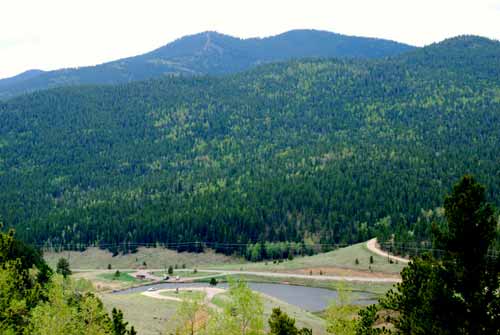
Kriley Pond is a popular fishing spot in Golden Gate Canyon State Park. In the fall, the hillsides are peppered with the golden glow of Aspens.The early morning hours are the best time to visit if you want to soak in the songs of Colorado songbirds before families and fisherman arrive. Fishing in Kriley Pond requires a Colorado Fishing License. There are several other ponds to visit at Golden Gate Canyon, including: Ranch Ponds, Slough Ponds, Dude's Fishing Hole, and the pond at Forgotten Valley.
Camping in Golden Gate Canyon State Park
There are several camping options at Golden Gate. However, because this State Park is less than an hour from Denver, the sites can fill up fast in the busy summer months. There is a car camping area at Reverends Ridge, a tents only site at Aspen Meadows, 20 backcountry shelters, and a limited number of cabins and yurts that can be reserved. All sites require fees which are posted at the Golden Gate Canyon Camping page.
We want to thank Lisa Palmer, a member of our Dayhikes Pathfinder Team, who hiked this trail with her family, gathered the information for the trail profile, and took the photos for this post.
=
Weather
Map & Driving Directions
Click for Driving Directions