


10 Essential Tips for Safe Hiking in Colorado
Heading out on a hiking adventure is an exhilarating and rewarding experience. However, it's important to remember that hiking can also be dangerous, especially for day hikers, because we tend to pack less gear than a backpacker. Day hikers also do less planning and, therefore can wind up less prepared. Here are some tips for staying safe while hiking:
- Research the trail beforehand and know its level of difficulty, distance, and weather conditions.
- Always carry essential gear such as a map, compass, first aid kit, extra water, and food.
- Wear appropriate clothing and footwear for the terrain and weather conditions.
- Let someone know your hiking plans, including your route, estimated time of return, and emergency contact information.
- Avoid hiking alone whenever possible and stick to established trails to avoid getting lost or injured.
- Be aware of the signs of dehydration and drink water regularly to stay hydrated.
- Be cautious around wildlife and respect their habitat by keeping a safe distance.
- Watch your step and be mindful of loose rocks, slippery surfaces, and uneven terrain that could cause a fall.
- Check the weather forecast before setting out on a hike, and be prepared for changes in weather conditions.
- Pace yourself and take breaks when needed.
Before heading out on a hike, it's crucial to research the trail you plan to take. This includes knowing the distance, difficulty level, and expected weather conditions. Understanding the trail will help you determine what gear to bring, how much water to carry, and what kind of physical exertion to expect. Be prepared for the trail to have changed. Flooding, mud, and tree falls can change the course and appearance of trails, and even the most up-to-date trail reports can be inaccurate.
A well-stocked first aid kit is essential. Every hiker should carry one in their pack. I find that I more often use my first-aid kit to help others I meet along the trail. Don't forget to bring enough water and food to sustain you throughout the hike.
Wearing the appropriate clothing and footwear is essential for staying safe while hiking. This includes wearing sturdy hiking boots with good traction to prevent slips and falls. In Colorado, the weather changes quickly and with altitude. Dressing in layers can help you adjust to changing conditions.
This should be number one because it’s the most important tip on this list. It's important to let someone know where you're going and when you expect to return. Provide them with your route and emergency contact information, in case something goes wrong. This can help rescuers find you quickly if you get lost or injured.
Hiking with a partner or group is always recommended, as it can be safer and more enjoyable. Stick to established trails. This will help prevent getting lost or injured in rugged terrain. Hikers who wander off trail are the most difficult for search and rescue to locate.
Dehydration is a common danger while hiking, especially in hot weather. Be aware of the signs of dehydration, such as dizziness, fatigue, and dry mouth. To prevent dehydration, drink water regularly throughout the hike. Hike with a Camelback-style water bladder so that you can sip as you hike.
Encountering wildlife while hiking can be exciting, but it's important to remember that animals are unpredictable. Keep a safe distance from wildlife and avoid approaching them. This includes chipmunks and other cute woodland creatures. I’ve seen too many people feeding the little guys only to come away from the experience with a nasty bite.
Falls are the most common hazard while hiking, especially on rugged terrain. Watch your step and be mindful of loose rocks, slippery surfaces, and uneven terrain. Using trekking poles or a walking stick can help improve stability and prevent falls, especially when navigating snow, water, and slippery rocks.
Weather conditions can change quickly while hiking, so it's important to check the forecast before heading out. Dress accordingly and bring rain gear or additional layers if needed. And be aware that in Colorado, the weather can be wildly different in different regions. For instance, it can be 80 degrees along the Front Range, and within an hour drive, it could be below freezing and snowing.
Overexertion can lead to fatigue, dehydration, and injuries. Don’t rush it. If hiking with a group, let the slowest or least-in-shape person set the pace so that you can stay together and keep an eye on one another.
By following these hiking safety tips, you can help ensure a safe and enjoyable hiking experience. Remember to always be prepared, aware of your surroundings, respectful of the environment, and to enjoy our wonderful and wild lands of Colorado.


10 Tips for Hiking Muddy Trails
During the Spring and Winter months the trails near Denver get pretty muddy. How do you hike when the trails are muddy? We've put together a list of ten tips to help you take care of both the trails and your boots during this messy season.
1. Prioritize Damage Control:
Hiking muddy trails requires the mental shift from "I don't want to get muddy" to "I want to to preserve this trail." Most of the damage to trails and the surrounding environment happens when the trails are wet and muddy. This mental shift is our most important tip. For example, Matthew-Winters Park near Red Rocks experiences seasonal closurs because of the trail damage caused during these muddy days. So, if it's a high traffic trail with a lot of mud, consider choosing a different trail where you won't contribute to the damage. More on finding those trails below.
2. Stay the Trail:
This means choosing to get muddy. Hike right through the middle of those muddy segments. We all want to take those inviting sidetrails, but in doing that we create some serious erosion, that can lead to severe damage. You know those trails that cut across switchbacks? Those are the worst because they go through steep areas and can contribute to some serious trail damage.
3. Hit the Trail Early:
Because temperatures are colder in the morning, hiking trails are more firm and less muddy. It's a great way to reduce both damage to the trail and mud on your boots and pants.
4. Hike on Snow:
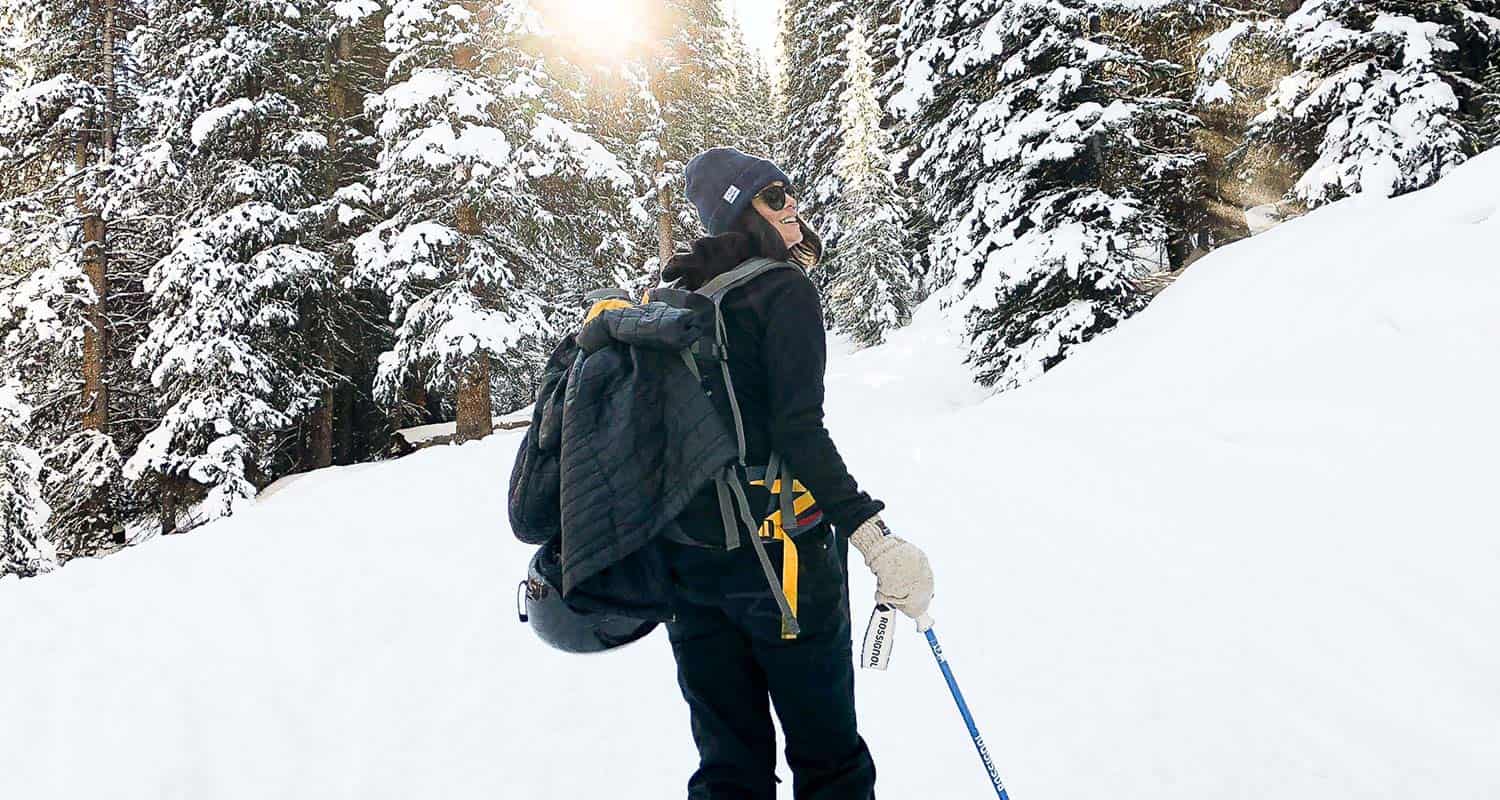
During muddy seasons, go snowshoeing or cross-country skiing up in the mountains. I love hiking the east side of Rocky Mountain National Park during the winter and spring when the snow covers the trail. A few recommended hikes: Emerald Lake - Fern Falls (for the more adventurous) - Calyspo Cascades in the Wild Basin - Alberta Falls - 4 Lakes and Waterfall Loop (for the more adventurous).
5. Hike on Paved Trails:
There are not a ton of these, but there are some. The main trail of Garden of the God's is paved, and many of our local Denver Bike paths. Clear Creek Trail in Downtown Golden is a family favorite, as well as the boardwalk along Evergreen Lake (short, but beautiful). The initial segment of the Fountain Valley Trail in Roxborough State Park is breathtaking.
6. Hike South-Facing Trails:
The sun shines on these segments and dries the trail faster. It takes some thinking and reviewing the trail maps. We provide links to trail maps on almost all of the hikes on Dayhikes Near Denver.
7. Trekking Poles:
Trekking Poles are probably my favorite piece of gear because they take so much impact and weight off of my knees. They also will help you to hike over the muddy puddles along the trail and you can use them to probe the depth of water-logged segements.
8. Wear Gaiters:
Gaiters are a great way to preserve your hiking pants and to keep mud away from the upper laces of your boots. I usually only wear gaiters if I'm on a multi-day backpacking trip. Check out REI's options for Gaiters.
9. Bring Grocery Bags for Your Muddy Boots:
When you get back to the car, you don't want to get the mud all over the upholstery. Pop your boots into those plastic bags, cinch them up, and you'll be able to clean them when you get home without also having to clean your car
10. Cleaning Your Boots:
Here's a simple step-by-step process for cleaning muddy hiking boots
- Rinse with water (don't scrub yet) to get the most of the mud you can. Don't immerse.
- Lightly scrub with a nylon brush or old toothbrush. Take out the laces and clean them seperately. This will allow you to get to the rest of the boot under the laces.
- If the boots are wet inside, then stuff them with an old t-shirt, paper towels, or newspaper.
- Let them dry. Don't accelerate this by putting them by a heat source. For instance, I dried out a pair of boots by the fire on an early backpacking trip and they shrunk by 1/2 and inch. Leather gets damaged near heat, too, so let them slow dry.
- Waterfproof. If your boots are Gore-Tex, don't waterproof them or you'll clog the breathable aspect of the boots. If they are old and the membrane is worn out, then you can waterproof them like any other boot. Check out REI's boot care options for waterproofing products.
Thanks goes out to Kevin Doncaster for the awesome muddy boot photo.