

Hiking First Aid Kit: Essential Items
I always pack a light-weight first-aid kit when hiking--even on short hikes near Denver. I've probably used my kit to help others as much as I've used it to pull a splinter from my own hand or prevent a blister on my own foot. If you're wondering what to pack in your first aid kit, I'm going to details the core items. If you'd rather just pick up a prepackaged one, I'd recommend the ">Hart Weekend First Aid Kit

- Adhesive Bandages and Sterile Dressings:
- Antiseptic Wipes and Ointments:
- Ace Wrap Compression Bandage:
- Pain Relievers:
- Blister Care Supplies:
- Tweezers and Splinter Removal Tools:
- Emergency Medications:
- Medications and Personal Items:
Adhesive bandages are versatile and useful for covering small cuts, blisters, or abrasions. Make sure to include a variety of sizes to cater to different wounds. Sterile dressings, such as gauze pads and adhesive tape, are essential for larger wounds that require more extensive care.
Keeping wounds clean is essential to prevent infections. Pack antiseptic wipes or solutions like alcohol pads or hydrogen peroxide to clean wounds thoroughly. Additionally, include antibiotic ointments like Bacitracin or Polysporin to apply to minor cuts and scrapes.
This might be the most-used item in my kit. If you or someone in your party turns an ankle, this is essential for helping support it so that they don't further injure themselves. It's also incredibly versitile; you can use it to make a sling or in the case of smomething major, to staunch bleeding.
Hiking can be physically demanding, and muscle soreness or headaches can occur. Include over-the-counter pain relievers like ibuprofen or acetaminophen to alleviate pain and reduce inflammation. Remember to follow the recommended dosage guidelines.
Blisters are a common occurrence during long hikes. To prevent discomfort and further damage, pack moleskin, blister cushions, or specialized blister bandages. These items provide cushioning and protection to promote healing and reduce pain. See our full post on blister prevention and care when hiking.
Ticks, splinters, and thorns can find their way into your skin while hiking. Pack a pair of fine-tipped tweezers to safely remove these foreign objects. Additionally, include small sterilized needles or splinter removal tools to help with precise extraction.
If you have known allergies or medical conditions, it's crucial to carry your emergency medications. This includes epinephrine auto-injectors for severe allergic reactions, asthma inhalers, or any other prescribed medication you may need during an emergency.
If you have any prescribed medications, ensure you carry an adequate supply. Additionally, consider including personal items like sunscreen, insect repellent, and lip balm to protect yourself from the elements.
You can pack all of this up in a slider ziploc bag so that you can easily see and retrieve all of the items.

Hiking In Colorado: 12 Essential Tips
Two Stories of Hiking Gone Wrong
Around 9 PM one summer night, I got a panicked call from guy from Florida. But he wasn’t in Florida. He was lost somewhere about an hour from Denver. He’d been hiking with friends, departed the trail to take care of some business, and couldn’t find his way back. When he finally found cell signal, he did a hurried search, found my Dayhikes Near Denver business listing and called me. I’ll tell you the rest of the story in the tips below.
Several years ago, I was backpacking with friends and we were about ten miles back in the Collegiate Peaks wilderness when a woman wandered into our campsite. She was dehyrdrated and shakey. She’d gotten lost and had spent about ten hours searching for her family. Her kids and husband were still out there somewhere, worried out of their minds and searching for her. Two of us stayed with her to get her fed and hydrated while the other two hiked out to alert search and rescue.
I’ve got plenty of other stories from hiking and backpacking in Colorado: a massive boulder almost crushing the kid beside me, a friend nearly falling off a cliffside, another struck by lightning. Freak events happen, but almost all of the mishaps I’ve experienced or heard were preventable. What follows are a set of tips to help you avoid the hazardous and enjoy the marvelous beauty of Colorado.
12 Tips for Hiking in Colorado
- Doubt your experience.
- The weather changes can be dramatic.
- Acclimate to the Altitude.
- Hike with Friends.
- Stay on the Trail.
- Pack the Essentials.
- Stay Aware of Lightning Safety.
- Pack Layers and Dress for the Hike.
- Don’t Climb Down Into That.
- 10. Leave an Itinerary
- Don’t Drink From That Mountain Stream.
- Leave No Trace.
When I check the news for “missing hiker” or “hiker death” almost all of the stories have one thing in common: They were experienced hikers. I’ve come to learn that experience means two things. First, that we who might be called “experience” are likely to get lax and think the rules don’t apply to us. We stop carrying the Ten Essentials and don’t leave an itinerary. We come to belive that we’v ve grown past the basics. The second thing is thate we forget that being experienced also means that probability math kicks in. The more you’re on the trail, the more you likely you are to see some hairy stuff and get into dangerous situations. The more days you spend in the high-country, the more exposed you are to lightning and places where you might fall. The more you hike in February and March in the high country, the more likely you are to trigger an avalanche. Beginners mind is a great mindset for everything that follows.
This Ain’t Michigan (fill in your state). In my home state of Ohio ,the weather fell on the entire region like a blanket. In Colorado, the weather can be a sunny 70 degrees in Denver while a snowstorm is falling on the peaks just 25 miles away. I see people underetimate this all the time. One Spring, a father and son from the Midwest lost their lives in a sudden snowstorm less than an hour from Denver, where the weather had been perfect just hours before. But a front was moving in, and sadly, it came in fast and the snow came in thick. Remember that the weather in Denver or Auroroa, Boulder, or Colorado Springs, can be deceptive. Checking the forecast for mountain towns, and realize that some areas are remote and don’t have as accurate of forecasts. Pack layers to adjust to changes temperatures, and also being willing to turn back if you see threatening weather. A
Colorado's high elevation can pose challenges to those coming from lower elevations. So, give yourself a day or two to acclimate before tackling strenuous hikes. Stay hydrated (this keeps you oxygenated), avoid excessive alcohol and caffeine, and listen to your body. If you experience symptoms of altitude sickness, such as headaches or dizziness, descend to lower elevations and seek medical attention if necessary.
One of my friends climbed Mt. Everest but got close to dying of pulmonary edema while climbing Longs Peak. This circumstance is rare. But I’ve heard several similar stories, and I’ve noticed a pattern. So, I asked my friend: “When that happened, were you by chance, recovering from a flu or something?” He stopped what he was doing and looked me in the eyes. “Yeah, that’s exactly what was going on. I had just been really sick, and probably didn’t give my body enought time to recover.”
A light hike on the Front Range is unlikely to incite such a severe reaction, but going to 10,000 feet from 5,000 feet in elevation while recovering from an ailment puts you in a more vulnerable position.
People who get lost or injured on the trail are usually hiking alone or have split up from their party. That’s what happened with the woman who wandered into our campsite those years ago. She had decided to take her own path while her family took a less demanding and less scenic route. That story ended well, but it could have ended differently. On another occasion, a friend promised me that he would stay at our meetint point while we summited Mt. Harvard. When we got back to the rendevouz point, he was gone. Hours later, we found him, scraped and bleeding from attempting to descend the steep course of a moutain creek. On one occasion, he pulled out a picture of his fiance and spoke some last words to her, convinced he was likely to not make it out of the ordeal. Needless to say, I was pissed. He’d promised us he’d stay put. Turns out the mosquitos got to him, but why he decided to take a different route down, I still don’t understand.
That guy from Florida who called me in the middle of the night didn’t wander very far off the trail, but it was enough that he felt completely lost. Then he panicked and wandered farther, out of earshot from his friends. When he called me, it was dark, and he was scared of animals sneaking up on him in the dark. I told him, “Dude, what kills people out there is rarely an animal. It’s panic. Let’s get you calmed down and breathing.” He did an amazing job getting back to a place of calm. Then he became quiet enough to hear search and rescue dogs. He started calling out to them, and was found. I’ve been astounded by how easily I can get turned around in a landscape when I’m hiking off trail. So, unless you’re an experienced orienteerer, stay to the well-worn paths.
A well-prepared backpack is crucial for a successful hiking trip. Carry plenty of water, energy-rich snacks, and a first aid kit. It's wise to bring a map, compass, or a GPS device, even if the trail is well-marked. Other essential items include a headlamp, a multi-tool, a whistle, insect repellent, and a lightweight emergency shelter. I’m also a big fan to carrying a lightweight down jacket or at least vest—even in the summer. I’ve read too many stories of people dying of hypothermia when a down would have kept their core warm for long enough to be found. You can read more about the 10 Essentials Here: LINK
Colorado is known for its frequent thunderstorms, especially during the summer months. Lightning poses a serious threat in the mountains. Stay informed about weather conditions and be prepared to seek shelter if thunderstorms are imminent. Avoid exposed ridges, tall trees, and open areas during electrical storms. See my full article on hiking and Colorado lightning.
As I described earlier, Colorado's weather can be unpredictable, even in summer. Dress in layers, so you can adapt to changing conditions. Wear moisture-wicking clothing to stay dry, and don't forget sturdy hiking boots with good ankle support. Carry a waterproof jacket, a hat, and sunscreen to protect yourself from the intense sun at higher altitudes. And a down jacket—even in the summer—is a great thing to always keep in your pack.
Like I said before, I have a perhaps unhealthy fascination with backcountry accident stories. One of the most common mishaps is the downclimb+cliffout. This usually happens in the mountains when a hiker goes off trail attempting to descend via a more direct route. But then they find themselves in very steep and difficult terrain and eventually get cliffed-out. They try to turn back but the terrain is to steep to ascend. The panic sets in, and one of two things happen: 1) a really bad fall, or 2) they wait it out and search and rescue locates them. This same thing can happen climbing up into steep areas, but about 80% of what I’ve read have been stories of people trying to create their own more direct route down a mountain.
Imagine you get lost or have a mishap and break your ankle and can’t get to your car. You’re out of cell range. But you’ve left your itinerary with a friend. They know your trailhead, your estimated return time, and have a good idea where to send search and rescue. Then imagine how you might feel if you were in the same circumstance but you didn’t leave an itinerary.
I’ve had giardia twice due to untreated water from mountain streams. In both cases, the kids I was guiding—I surmise—somehow missed properly treating the water in my bottle. Thankfully, no one else got sick. Colorado's mountain streams and lakes may appear pristine, but they can still carry harmful bacteria and parasites. This is because rodents and other animals live and drink from those streams. And they don’t mind dropping their feces there, too. So, treat all water obtained from natural sources, either by using a water filter, purifier, or by boiling it for at least one minute. Avoid contaminating water sources by camping at least 200 feet away and using biodegradable soap if necessary.
Did you know that some of the tundra grasses that grow above treeline take something like 100 years to grow one inch? When I see people running across the tundra on Trail Ridge Road, I cringe. I also understand, because such majestic landscapes beckon us. The LNT principles are a tried and true way to help us all not to “love to death” our favorite places, and preserve them for our kids and their kids… You can read about those here:
Most hikes are uneventful opportunities to take in the beauty of wildflowers, waterfall, and mountains. My hope is that that following these tips, plus a little common sense, will help keep you safe as you enjoy the unmatched beauty of Colorado.
Hiking in Mountain Lion Country
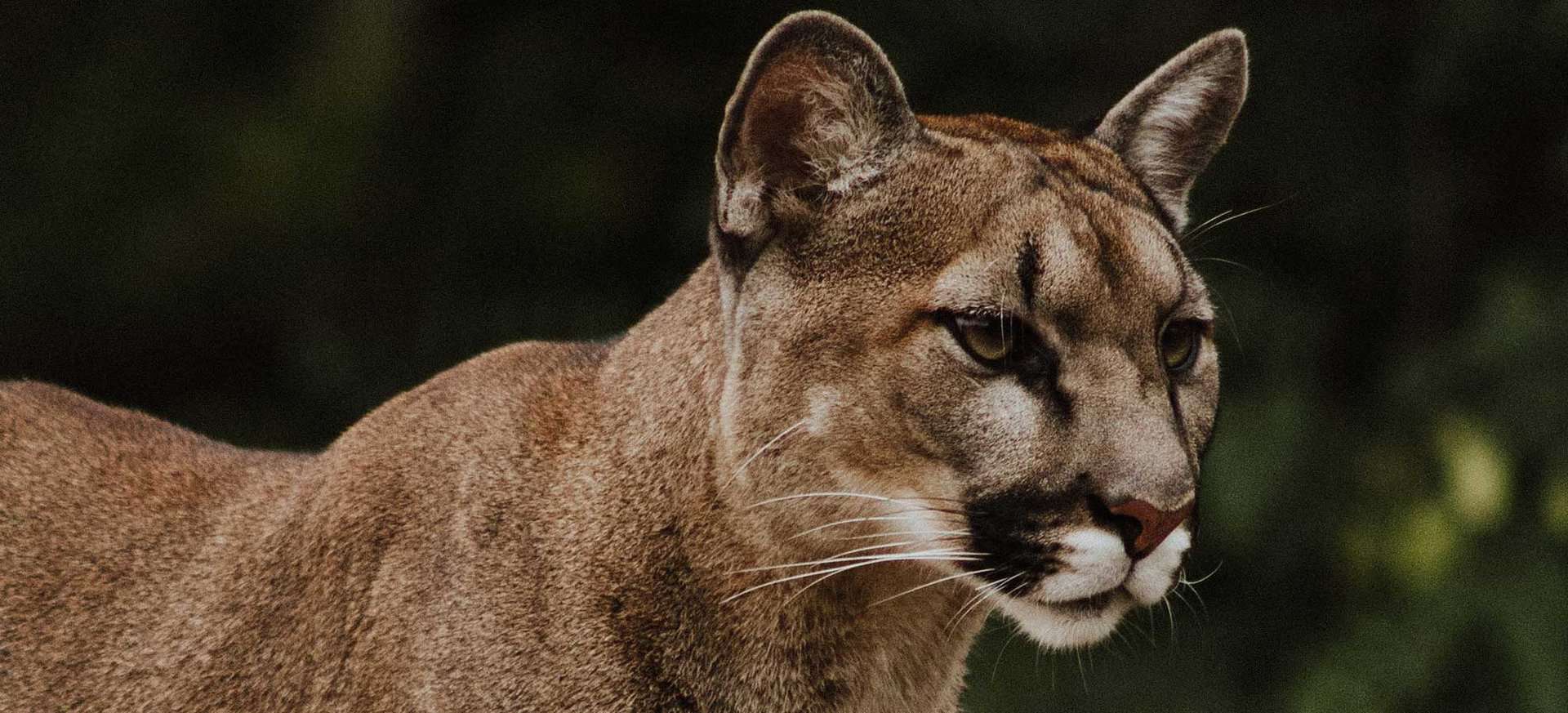
In my many years of hiking in Colorado, I've never encountered a mountain lion. I've seen sign, and I'm sure they've seen me (an unnerving thought), but I've never encountered one. I have thought about it a lot, especially after reading a great book, Bease in the Garden about the mountain lions along the Front Range of Colorado. The stories of mountain lion encounters are actually most common on the outskirts of population centers (imagine ten miles west of boulder or in the foothils outside of Denver), where cubs have grown up more seeing humans. This is actually what causes problems, the habituation of the creature to being around people. They lose their natural fear. Because of this, I'm typically more concerned about encountering mountain lions when I'm hiking along the Front Range near Denver or Boulder than I am when backpacking deep in the backcountry.
The chances of encountering a cougar are small, but it does happen. And it's important to know what to do if you were to come face to face with a mountain lion.
What to do if you encounter a mountain lion?
- Stay Calm and Assess the Situation:
- Make Yourself Appear Larger:
- Maintain Eye Contact, but Avoid Direct Staring:
- Speak Firmly and Loudly:
- Slowly Back Away:
- Report the Encounter:
If you spot a mountain lion during your hike, the first and most crucial step is to remain calm. Avoid sudden movements or running, as it might trigger the lion's predatory instincts. Take a moment to take in some deep breaths, assess the situation, and gather your thoughts before deciding on the next course of action.
One of my friends was hunting in the Colorado mountains, laying prone on the ground and scanning the landscape for elk. Then he go this sense that he was being watched. So, he took a look over his shoulder to see a mountain lion slowly creeping up on him. My friend immediatly stood up, and just the act of standing freaked the lion out and it bolted into the woods. Mountain lions are more likely to perceive you as a threat if you appear larger. Open your jacket, raise your arms, and spread them wide to make yourself appear bigger and more and trigger its flight response. This is another great reason to hike with trekking poles. And it's a good reason to hike with a friend or with a small group.
While it's essential to keep an eye on the mountain lion, staring directly into its eyes may be perceived as a threat. Instead, maintain intermittent eye contact while also being aware of your surroundings. Show the lion that you are aware of its presence without appearing confrontational.
To assert your presence and intimidate the mountain lion, speak firmly and loudly. Use a commanding voice to show confidence and dominance. Shout and make noise to let the lion know that you are not an easy target.
As you maintain eye contact, slowly and cautiously start backing away from the mountain lion. Avoid turning your back on the lion, as sudden movements could trigger an attack. Make sure to keep your eyes on the lion while you gradually create distance between yourself and the animal. Work to get back to your car, to a group of people, or another safe place.
Once you're at a safe distance from the mountain lion, it's important to report the encounter to the relevant authorities. This information can be valuable for tracking and monitoring the behavior of mountain lions in the area, helping protect both hikers and wildlife.
Though it's unlikely to have a run in with a mountain lion, it's important to know what to do--and what not to do. This short list, I hope, has provided you with the basics in case the unlikley were to occur.
Preventing Blisters While Hiking
A common problem that can quickly turn a memorable hike into an uncomfortable experience is blisters. I've hiked hundreds of miles, and rarely get blisters. Follow these tips and you should be able to do the same. And if you do get a blister from a new pair of boots or just a long slog on a rainy day, I'll detail how to care for them so that they don't drive you crazy.
Preventing Blisters While Hiking
- Choose Proper Footwear:
- Break-in Your Footwear:
- Moisture-Wicking Socks:
- Double-Layer Socks:
- Sock Liners:
- Trekking Poles:
- Treat Hot Spots Immediately:
Investing in the right footwear is crucial for preventing blisters. Consider the following tips:
Ensure a Proper Fit - Ill-fitting shoes are a recipe for blisters. Visit a reputable outdoor store to get properly fitted for hiking shoes or boots. Ensure there is enough room in the toe box to prevent friction. At REI you'll find this fake rock you can hike on. Get up on that plastic thing and hike downhill to see if the tips of your toes hit the front of the boot. If that's the case, then you need a size up. Spend good time with the salesperson, most of them (at REI) really know their stuff.
Tip: look for the 50+ sales guy with a ponytail. That guy always seems to really know his boots. I'm being silly, but I'm serious.
Before embarking on a long hike, wear your new hiking shoes or boots around the house or on short walks to break them in. This will help mold them to your feet and minimize the risk of blisters. Take the boots back if they're not working. That's why I buy all my boot at REI--I get the guarantee. I once bought a pair of won't-mention-the-brand that got wet and shrunk significantly. I exchanged them for a pair that I've worn for over ten years now.
Opt for moisture-wicking socks made of synthetic or wool materials that can effectively manage moisture and reduce friction. I love Darn Tough socks and the REI brand is solid as well. I'm super picky with my socks, and wear Columbia hikers most days.
Consider wearing double-layer socks, where the inner layer stays snug against your skin and the outer layer moves with your shoes, reducing friction. This works for some people and not others. It all depends on your foot shape, size, and how much room you've got in your boot. I'm a bigger fan of liners.
Sock liners can be worn underneath regular hiking socks to reduce friction between your toes and minimize blister formation. I will wear liners on longer backpacking trips and demanding dayhikes. They were a must (and thrown away) after a day trip to the bottom of the Grand Canyon and back hike.
If I could add an 11th and 12th essential to the 10 Essentials, it would be a down jacket and trekking poles. Trekking poles take insane amounts of pressure and shock off of your feet and knees.
If you feel a part of your foot getting hot and irritated, stop. Take a break and slap some athletic tape on that part of your foot. Moleskin and blister patches also are great solutions.
If you practice these basics, you'll rarely get to the place where you have a blister. But, if and when you do...
How to Treat Hiking Blisters
- Blister Drainage:
- Proper First-Aid:
- Rest and Recover:
If a blister forms, it's essential to drain it properly to expedite healing. Use a sterilized needle or blade to create a small hole near the edge of the blister and gently press out the fluid. Apply an antiseptic and cover the blister with a sterile bandage. I carry a needle in my first-aid kit, but a sharp knife (sterilized with a lighter) will do. Just be careful not to cut yourself.
Don't cover the blister. You can do this temporarily with hot spots, but your blister needs to breath.Create a raise surface around the blister with moleskin or use a blister patch. Get some antibiotic cream on the blister to keep it from getting infected.
If you develop blisters during a hike, give yourself some recovery time. Ignoring blisters and pushing through the pain can lead to more significant problems and longer healing times. Get your feet dry by wearing camp shoes or sandals to let your skin dry. And get some rest.
By implementing these effective strategies for preventing blisters and following proper blister care, you can minimize discomfort and continue enjoying the wonders of hiking. Remember to invest in proper footwear, manage moisture and friction, take regular breaks, and practice good foot care. With these proactive measures, blisters will no longer hold you back from exploring breathtaking trails and experiencing the joy of hiking. Happy trails and blister-free adventures!

Hiking in Colorado Bear Country: What You Need to Know to Stay Safe
Hiking in Black Bear Country
There are over 15,0000 black bears in Colorado, and no brown bears. The last brown bear--also called a grizzly bear--was killed back in the 1950's. But black bears are often brown in color, so some folks mistake them for their larger cousins. Black bears are typically non-confrontational and will try to avoid humans. I've encountered several bears while hiking, and in every situation, they've quickly noticed me, turned away and high-tailed it in the opposite direction. However, if a black bear feels threatened or senses that you're a threat to its cubs, it's likely to become aggressive. Though unlikely, the worst-case scenario is to stumble upon and surprise a momma with babies. Let's look at how to stay aware in bear country, and then what to do if that worst-case scenario were to happen.
Tips for Avoiding Black Bears
The best way to avoid an encounter with a black bear is to be bear-aware while hiking. Here are some tips:
- Make noise: Black bears are more likely to avoid humans if they hear them coming. Make noise by talking, singing, or wearing a bear bell. I personally don't wear a bear bell, but if I'm hiking in high willows or other areas where I can't see very far in front of me, I'm keen to whistle or talk.
- Hike in groups: Hiking with a group makes you less vulnerable to any wildlife you might come upon. Hike with a friend, and if you're hiking solo, always leave an itinerary with a friend or family member.
- Stay on the trail: Avoid bushwhacking or off-trail hiking, as it increases your chances of encountering a bear. Plus, it's just good form (leave no trace) to hike established trails.
- Keep a clean campsite: If you're camping, keep your site clean and free of food scraps, as this can attract bears. On multi-day trips, I'll hang a bear bag or bring a bear canister to keep the scents out of my sleeping area. And it should go without saying, but always keep food and scented items like deoderant and toothpaste out of your tent. A friend of mine got pulled out of his tent by the foot by a bear in Yosemite because he had a bagel in his tent.
What to Do If You Encounter a Black Bear
A buddy of mine was crawling into a cave down in the Sangre DeCristo mountains when he bumped into something big, black, and furry. He shined his headlamp around to discover several other bears, all snoring. Thankfully, it was still winter and the bears were hiberating. Needless to say, he and his friends crawled out of there fast. You're probably not likely to go crawling into shallow caves, but there is a small chance you might encounter a bear while hiking. Here's some widely agreed upon best practices for that worst-case scenario.
As a kid, I was pursued by a pack of wild dogs (this was rural Ohio in 1982), and I had to use this same advice, and it worked.
- Stay calm: Don't panic. Don't run. Animals read you, and act accordingly. Speak calmly and firmly to the bear. With the three ferrel dogs, my dad had told me,"If you see them and they come after you, tell them, 'No, stay there' in a firm voice." I did--and the dogs froze. It was cool, gave me some confidence, and then I was able to gather my 6-year-old self to do the next thing.
- Back away slowly: Slowly back away from the bear while keeping an eye on it. With the wild dogs, this worked just like my dad said it would. He also told me to throw some rocks--not at them--but at their feet. I wouldn't suggest that with a bear, but it worked with the dogs, slowed them down, and bought me some more time so I could get closer to the house.
- Make yourself bigger: If the bear continues to approach you, make yourself look bigger by raising your arms or holding up a jacket. This is also a proven tip when encountering a mountain lion. If you're in the backcountry, the animal is probably thinking, "What is this weird creature." Then you suprise it by growing larger, and they think, "Yeah, this thing is weird--and big. I'm going to avoid it. Just don't do it in an aggressive way; you'll trigger it's instincts to fight. Just keep backing up and growing bigger.
- Use bear spray: In the unlikely chance that the bear charges you, use bear spray to deter it. That requires having some bear sprey. I hike solo sometimes, but I personally don't carry bear spray. I figure that stuff is for hiking in Kodiak Alaska for a week. But I do carry a small mace spray. Personally, I'm more concerne about a human being than a bear when hiking solo, but I'm sure mace would at least be helpful if a bear was getting aggressive.
- If you're being attacked: Remember this mnemonic "If bear's black fight back. That's not in reference to the bear's colore but the type of bear you're dealing with. Like I said at the beginning, there are no brown bear's in Colorado, only black bears (thought their color will often be brown). Here's what the National Parks Service has to say "FIGHT BACK WITH EVERYTHING YOU HAVE! Do not play dead. Direct punches and kicks at the bear’s face, and use any weapon like rocks, branches, or bear spray to defend yourself."
Conclusion
Honestly, I get really excited to see a bear on the trail. Our family was just in Yosemite, and we encountered one crossing the top of a waterfall. He was absolutley stunning. When he finally noticed us, he turned and left. But, like all wildlife, they deserve our deep respect. They are as wild and powerful as they are beautiful. While not exhaustive, following the tips in this post will help keep you safe and aware while hiking in bear country.
PS: Wild Dogs Story
You're probably wondering about those wild dogs. Here's the whole story: When I was in kindergarten, we lived on an old dairy farm surrounded by corn and soybean fields. In the mornings, I would walk our long lane out to the road and wait for the bus. One day, waiting for the bus, I noticed a bunch of deer running across the swamplands across the road. Behind them were a pack of dogs. After school, I told my parents about what had happened, and my dad said that packs of wild dogs were actually a thing, and what to do if I ever encountered them. Well, about a month later, I was rounding the bend on the lane, about 75 yards from our house, and right up the lane came three of these wild dogs. I vividly rememver the one in the lead was a mangy three-legged thing, but it didn't seem to slow him down. They were probalby ten yards out when I first notice them, and I froze. Then I remembered what my dad had told me. First, I said, "No! Stop right there" I talked to them like they were domesticated dogs, and like I was their master. It worked. I remember them being kinda shocked and stopping. Then I bent down, keeping my eyes on them, and picking up some rocks. I kept backing up while throwing the rocks at their feet. That worked too. I kept doing this until I was close enough to run, then I sprinted to the garage, slammed the door behind me and about peed my 6-year-old pants.
Hiking Etiquette: 8 Tips for Enjoying the Trails Responsibly
As our trails near Denver get a lot of foot traffic, hiking etiquette becomes all that more important. Whether you are a new hiker or experienced one, here are some helpful tips to keep in mind when hitting the trails:
- Yield to other hikers.
- Know and follow the rules of the trail.
- Stay on the trail.
- Pack out what you pack in.
- Respect wildlife.
- Leave the trail better than you found it.
- Keep your dog close
If you encounter other hikers on the trail, yield to them. If you are going uphill, step to the side and let the downhill hiker pass. If you are going downhill, be prepared to step aside for an uphill hiker. Also, like driving, stay to the right, and allow faster hikers to pass on your left.
Before you embark on your journey, ensure that you are properly acquainted with all the trail regulations, such as leash laws, camping restrictions, and trail closures. These rules should be respected and followed at all times while out in the wild, to provide a safe and enjoyable experience for yourself and the people around you.
Avoid walking off the trail, as it can cause erosion and damage to the surrounding vegetation. Stick to the designated path to protect the natural environment and ensure your safety.
Share the trail with other users.
Trails are often shared by hikers, bikers, and equestrians. Be respectful of other users and give them plenty of space. Always yield to equestrians, and be cautious when passing bikers.
Leave no trace on the trail. Bring a bag to pack out your trash and dispose of it properly when you get home. Never leave food or trash behind, as it can harm wildlife and attract unwanted animals. For more, see our article on Leave No Trace Principles.
Observe wildlife from a safe distance and do not approach or feed them. Keep your pets on a leash at all times to avoid disturbing wildlife or getting injured.
Keep noise to yourself
Use headphones if you want to listen to music on the trail. Be mindful of your noise level, especially in areas where wildlife may be present. Loud noises can startle animals and disrupt their natural behavior.
If you notice any litter or debris on the trail, pick it up and pack it out. Consider volunteering for trail maintenance and restoration projects in your community.
Long leashes and wandering dogs can cause serious injuries and disturb wildlife. I can't tell you how many times I've watched someone nearly get clotheslined or knocked off their feet by either a long leash or one of those retractable things. We also have this thing in Colorado where we assume that everyone is going to love our dog. But the fact is, there are people who don't like your dog, no matter how awesome they are. This is especially true of small kids. Imagine an animal as tall as you looking you eye to eye--that's kind unnerving. Check our our full article on hiking with dogs for more tips on exploring the Front Range with your pup.
By following these basic rules and tips, you can help ensure a safe and enjoyable hiking experience for yourself and others. Happy trails!

10 tips for Hiking with Kids: How to Make It Safe and Fun
We've been hiking with our two girls since they were literally days old. Recently, we hiked to the top of Yosemite Falls. I can't tell you how proud I was of them. Over the years, we've learned a few things about hiking with our children. Here are a few tips for making it an enjoyable time.
- Choose the Right Trail
- Pack the Right Gear
- Start Slow and Build Up
- Involve the Kids in Planning
- Bring Friends
- Set Realistic Expectations
- Teach Leave No Trace Principles
- Play Games
- Take Plenty of Breaks
- Celebrate Your Accomplishments
- Bonus Tip: Bribery is Effective
When hiking with kids, it’s important to choose a trail that is suitable for their age and abilities. Look for trails with shorter distances and less elevation gain, and consider the difficulty of the terrain. Trails with a lot of rocks or steep drop-offs may not be the best choice for young children. Check out our post on easy beginner hikes and our page on hikes with kids for ideas.
Before heading out on a hike with kids, make sure you have all the necessary gear. This includes appropriate clothing and footwear, sunscreen, bug spray, a first aid kit, plenty of water and snacks, and a map or GPS device. In the past, we've also given our kids a whistle necklace to wear around their necks. While they've never gotten lost or needed to use them, they feel pretty cool wearing them, and it gives them a bit of confidence that they know what to do if they were to get lost.
If your kids are new to hiking, start with shorter and easier hikes and gradually work your way up to longer and more challenging trails. This will help build their confidence and endurance, and also give them a chance to learn about the natural world around them. As they get more comfortable, you can start introducing more difficult terrain and longer distances.
Getting kids involved in planning the hike can help build excitement and anticipation for the trip. Let them help choose the trail, pack their own backpack with snacks and water, and give them a map to follow along the way. This can help them feel more invested in the experience and give them a sense of accomplishment when they reach the end of the trail.
Hiking with friends can make the experience more fun and enjoyable for kids. Consider inviting other families with children to join you on the hike. This can also be a great way to introduce your kids to new friends and get them excited about future hikes. I've found that this also reduces whining :)
It’s important to set realistic expectations for your kids when hiking. Don’t expect them to hike at the same pace or cover the same distance as adults. Take frequent breaks and let them explore and play along the way. This will help keep them engaged and interested in the hike, and also prevent them from getting too tired or overwhelmed.
Teaching kids about Leave No Trace principles can help instill a sense of responsibility and respect for the natural environment. Teach them to pack out all trash and litter, stay on designated trails, and avoid disturbing wildlife or plants. This can help ensure that future generations can enjoy the same natural beauty that you and your kids are experiencing. See our post on Leave No Trace Principles to learn more.
Playing games can help keep kids engaged and interested in the hike. Consider playing games like “I Spy” or “20 Questions” along the trail. You can also make up your own games or scavenger hunts based on the natural surroundings. This can help turn the hike into a fun and interactive learning experience.
When hiking with kids, it's important to take frequent breaks to rest, hydrate, and refuel. Kids may need to take more breaks than adults, so plan your hike accordingly. This can also be a great opportunity to stop and enjoy the natural surroundings, take photos, or play games.
When you reach the end of the trail, take a moment to celebrate your accomplishment as a family. This can be as simple as high-fiving or taking a group photo at the trailhead. You can also plan a special treat or activity to reward your kids for their hard work and perseverance on the hike. This will help build their confidence and leave them with a positive association with hiking.
We are not above bribing our kiddos when the going gets tough. We call them adventure points. A kid slips and scrapes her knee: 30 adventure points. We are half way into the hike and she feels terrible: "Get to the top and you'll earn 20 adventure points." Then cash them in for a treat on the way home. It's a great way to gamify the experience and can even teach that perseverance has its rewards.

The Ten Essentials: The Must-Have Gear for Hiking in Colorado
Hiking Essentials: The Ten Essentials You Should Always Bring on a Hike
Hiking is a fun and rewarding activity, but it's important to be prepared for any situation that may arise while on the trail. No matter the length or difficulty of your hike, it's essential to carry the ten essentials with you. These items are a standard set of gear that every hiker should bring with them to ensure their safety and comfort while enjoying the great outdoors.
1. Navigation
Navigation is the first and most important item on the list of ten essentials. Every hiker should carry a map and compass, and make sure they know how to use them. A GPS device or smartphone app can be useful, but they should never be relied on as the sole means of navigation. A map and compass are essential for orienting yourself, tracking your progress, and finding your way back to the trailhead in case you get lost.
2. Sun Protection
Sun protection is crucial when spending time outside, especially at higher elevations where the sun's harmful rays are stronger. Bring sunscreen, sunglasses, and a hat to protect your skin and eyes from sun damage. A sunburn or sunstroke can quickly ruin a hike, so be sure to reapply sunscreen throughout the day and wear a hat and sunglasses to protect your face.
3. Insulation
Weather can change quickly in the mountains, even on warm days. Bring extra layers of clothing like a fleece jacket, hat, and gloves, to stay warm and dry in case the temperature drops or the weather turns inclement.
4. Illumination
Always bring a headlamp or flashlight with you on a hike, even if you don't plan to be out after dark. A headlamp or flashlight can be crucial in case you get lost, need to find your way back to the trailhead after sunset, or if an emergency arises. Be sure to bring extra batteries or a rechargeable power bank to ensure your illumination source is reliable.
5. First Aid Kit
Accidents can happen, so it's essential to carry a basic first aid kit with you. The kit should include essentials like bandages, antiseptic wipes, pain relievers, and any necessary prescription medication. Even a minor injury can become a significant problem if left untreated, so be sure to pack a comprehensive first aid kit.
6. Fire
In case of an emergency or if you need to stay warm, a fire can be a lifesaver. Bring waterproof matches or a lighter, as well as fire starter such as cotton balls or fire cubes. Practice responsible fire safety and make sure to only light fires in designated areas, where permitted.
7. Repair Kit and Tools
A knife, multi-tool, and duct tape can come in handy when fixing gear or making emergency repairs. These items are versatile and can be used for a variety of tasks, from cutting rope to repairing
8. Nutrition
Bring enough food for your hike, as well as extra snacks in case your hike takes longer than expected. Choose lightweight and nutrient-dense foods like nuts, energy bars, and jerky. It's essential to fuel your body properly while hiking to avoid bonking or feeling lethargic.
9. Hydration
Dehydration can quickly become a serious problem on a hike, so bring enough water for your hike. It's recommended to bring at least two liters of water per person for a day hike, and consider bringing a water filter or purification tablets in case you need to refill from a stream or other water source. Keep in mind that high-altitude hikes can cause dehydration to occur more quickly, so be sure to stay hydrated throughout your hike.
10. Emergency Shelter
In case you get lost or stranded, bring a lightweight emergency shelter like a space blanket or bivy sack to stay warm and dry. It's better to be over-prepared than under-prepared when it comes to emergency shelter, as hypothermia can set in quickly if you get wet and don't have a way to stay warm. Look for lightweight and compact options that won't add too much weight to your pack.
By packing these ten essentials, you can be better prepared for any situation that may arise while hiking. Always remember to check the weather, trail conditions, and bring appropriate gear for the conditions.
Hiking with Dogs: 10 Tips to Keep Your Pup Safe on the Trail
10 Tips for Hiking with Dogs in Colorado
Hiking with your furry friend can be a great bonding experience, but it's important to take steps to ensure their safety on the trail. Here are some tips for hiking with dogs:
- Choose the right trail: Not all trails are suitable for dogs, so it's important to choose a trail that is dog-friendly. Look for trails that allow dogs and have amenities like water sources and shade. Make sure the trail is within your dog's physical abilities and consider their age and health before embarking on a hike.
- Check the weather: Make sure you check the weather before you head out on a hike with your dog. Dogs can easily become dehydrated or overheat in hot weather, so it's important to choose a cooler time of day to hike and bring plenty of water for both you and your dog.
- Keep your dog leashed: Most hiking trails require dogs to be leashed, but even if the trail doesn't have a leash requirement, it's a good idea to keep your dog leashed for their safety. Leashing your dog can prevent them from getting lost, encountering wildlife, or getting into hazardous situations.
- Bring enough water: Make sure you bring enough water for your dog, as well as yourself. Dogs can quickly become dehydrated on a hike, so it's important to bring plenty of water and take frequent breaks to allow your dog to drink.
- Watch for signs of fatigue: Dogs can't tell you when they're tired, so it's important to watch for signs of fatigue on the trail. If your dog is panting heavily, slowing down, or lagging behind, it's time to take a break and let them rest.
- Bring a first aid kit: Accidents can happen on the trail, so it's important to bring a first aid kit for both you and your dog. Make sure the kit includes items like bandages, antiseptic wipes, and tweezers for removing ticks.
- Be respectful of other hikers: Not everyone loves dogs, so it's important to be respectful of other hikers on the trail. Keep your dog leashed and under control, and be sure to clean up after them.
- Check for ticks: Ticks are a common problem on hiking trails, and they can carry diseases like Lyme disease. Make sure you check your dog for ticks regularly on the trail, and use a tick preventative to protect them.
- Train your dog: Before embarking on a hike with your dog, it's important to make sure they are well-trained and obedient. Your dog should respond to basic commands like "come" and "stay" to ensure their safety on the trail.
- Know your dog's limits: Not all dogs are cut out for hiking, so it's important to know your dog's limits. Consider their age, health, and physical abilities before taking them on a hike, and be prepared to turn back if your dog is struggling.
By following these tips, you can ensure a safe and enjoyable hiking experience with your furry friend. Remember to always put your dog's safety first and make sure they are comfortable and well-hydrated on the trail.
Leave No Trace Principles for Hiking: A Comprehensive Guide
When venturing into the great outdoors, it's important to minimize your impact on the environment to preserve the natural beauty and wildlife. Here are the seven Leave No Trace Principles for hiking that every outdoor enthusiast should be familiar with:
- Plan Ahead and Prepare
Before embarking on a hiking adventure, research the trail and familiarize yourself with the terrain, weather, and regulations. Plan your route, check the weather forecast, and make sure you have all the necessary permits and equipment. By planning ahead, you'll minimize the risk of getting lost or injured, and you'll be better equipped to minimize your impact on the environment. - Travel and Camp on Durable Surfaces
When hiking, stick to established trails to avoid trampling on fragile vegetation and disturbing wildlife. If you need to camp, choose a site that is already impacted and camp at least 200 feet from lakes and streams to minimize the risk of polluting the water. - Dispose of Waste Properly
Pack out all trash, leftover food, and litter. Don't bury trash, as it may not decompose properly and could attract animals. If you need to use the restroom, use designated facilities or dig a small hole at least 200 feet away from water sources and trails. - Leave What You Find
Avoid picking flowers or taking rocks or artifacts as souvenirs. Leave natural and cultural objects as you find them for others to enjoy. - Minimize Campfire Impact
Campfires can cause significant damage to the environment and wildlife habitats. If possible, use a lightweight stove for cooking and avoid building a campfire altogether. If you must have a campfire, use established fire rings or fire pans, and only burn small sticks and twigs. Never leave a campfire unattended, and make sure it is completely extinguished before leaving. - Respect Wildlife
Observe wildlife from a safe distance and avoid feeding or approaching them. Keep food and trash stored securely to prevent attracting animals to your campsite. If you encounter a wild animal, give it plenty of space and avoid getting between a mother and her offspring. - Be Considerate of Other Visitors
Respect other hikers' right to enjoy the outdoors by keeping noise levels down and leaving radios and other electronics at home. Yield to other hikers on the trail, and avoid hiking in large groups that can damage trails and disturb wildlife.
By following these Leave No Trace Principles, you can help preserve the natural beauty and wildlife of the great outdoors for generations to come. It's the responsibility of all outdoor enthusiasts to minimize their impact on the environment and protect the wilderness areas we love.